Last Updated: November 25, 2026
Quick Summary
Wildlife removal response times depend on technician availability, animal urgency, drive distance, and time of day. Immediate-risk calls are often dispatched first with arrival commonly inside one to two hours during business hours, while scheduled nuisance calls can be one to three business days out.
- Emergency wildlife removal is dispatched for situations posing immediate risk to people, pets, or property.
- Property-damage calls are typically same business day, with windows stretching to three to five hours when schedules are full.
- While waiting, keep people and pets away, contain the animal, and document the situation with photos.
- Call animal control first for aggressive or possibly rabid animals; call a wildlife removal service for animals trapped in attics or walls.
- Ask providers for a specific arrival window, after-hours policy, and on-call staffing model before booking.
Table of Contents
- Why Wildlife Removal Service Response Times Vary So Much
- Emergency Wildlife Removal: When Minutes Matter
- Same-Day Wildlife Removal: What to Expect From the Call to the Knock
- What to Do While Waiting for Wildlife Removal
- Animal Control vs. Wildlife Removal Service: Who Responds Faster
- How to Assess and Compare Response-Time Promises
- What Happens During the First Visit
- Request Wildlife Removal Service From Ekoterra
- Frequently Asked Questions
Why Wildlife Removal Service Response Times Vary So Much
Wildlife removal service response times depend on technician availability, animal urgency, drive distance, and time of day. The same company might reach one property faster than another, and the gap is rarely about effort. It comes down to logistics.
Ekoterra Gopher Pest and Wildlife Control is a pest and wildlife management provider serving Ventura, Los Angeles, and Santa Barbara Counties. A raccoon in an attic at 2 a.m. is a different call than a gopher mound spotted on a Saturday morning. The first needs someone moving now. The second can wait for a scheduled slot without anyone getting hurt.
Three factors drive most of the variance:
- Distance and traffic. A technician twenty minutes away beats one across the county every time.
- Animal type and location. A bat colony in a wall cavity requires different handling than a skunk under a deck.
- Time of day. After-hours calls pull from a smaller pool of on-call staff.
The U.S. Fish and Wildlife Service guidance on nuisance wildlife notes that wildlife conflicts with people are handled at the state and local level, which means response infrastructure varies widely by region. That uneven landscape is exactly why two neighbors can get wildly different wait times from two different providers.
Emergency Wildlife Removal: When Minutes Matter
Emergency wildlife removal is service dispatched for situations that pose an immediate risk to people, pets, or property.
Not every animal sighting qualifies. A squirrel on the fence is not an emergency. A squirrel chewing through wiring above a crib is.
Situations That Qualify as a Wildlife Emergency
- A wild animal is trapped inside living space with people or pets
- An animal appears sick, disoriented, or aggressive
- A mother animal with young is nesting in an attic, chimney, or wall
- Structural damage is active, such as gnawed wiring or a breached roofline
- A dead animal is producing odor inside the home
Watch out: calling every sighting an emergency can backfire. Dispatch teams triage by risk, and a provider that logs you as non-urgent may place you behind genuinely dangerous calls. Describe the specific hazard when you call, not just the animal.
Same-Day Wildlife Removal: What to Expect From the Call to the Knock
Same-day wildlife removal generally means a technician arrives within the current business day, though the arrival window depends on urgency, time of day, and drive distance.
Realistic Arrival Windows by Urgency Tier
- Immediate-risk calls (animal in living space with people or pets, aggressive or disoriented animal): often dispatched first, with arrival commonly inside one to two hours during business hours and longer after midnight when on-call staff are fewer.
- Property-damage calls (active gnawing, breached roofline, mother with young in a wall): typically same business day, with windows that stretch to three to five hours when the schedule is full.
- Scheduled nuisance calls (gopher mounds, mole runs, a skunk under a deck with no contact): usually booked into the next available slot, which can be one to three business days out.
How Time of Day and Distance Move the Window
When you call, ask providers how their after-hours and distance-based scheduling works, since these factors commonly affect arrival windows.
Ask any provider directly what arrival window to expect for your area and animal type, and whether that window is measured from dispatch or from your call.
What to Do While Waiting for Wildlife Removal
While waiting for wildlife removal, keep people and pets away from the animal, close interior doors to contain it, and document the situation with photos. Do not attempt to trap, chase, or feed the animal yourself. The right steps shift, though, depending on what kind of situation you are actually in.
Match Your Actions to the Situation
- Animal loose in a living space. Shut it into one room if you can do so safely, block gaps under doors with towels, and move pets to a separate room or outside on a leash. Open an exterior door or window only if it gives the animal a clear, safe exit and no one is in the path.
- Animal trapped in a wall, chimney, or vent. Do not open the cavity. Note the sounds and their timing, scratching that starts at dusk often points to a nocturnal species, and keep children and pets out of the room. A trapped animal that is cut free without a plan usually finds another way back in.
- Suspected young present. If you hear high-pitched calls or see a mother moving in and out, tell the dispatcher before the technician arrives. Removing a mother while young remain inside creates an odor and parasite problem that is harder to solve than the original call.
- Signs of disease or unusual behavior. An animal active in daylight, staggering, or unafraid of people should be treated as a possible rabies risk. Keep everyone back, do not let pets investigate, and call animal control or emergency services first if a person has been bitten or scratched.
Practical Steps That Protect Your Household
- Photograph entry points, droppings, and damage for the technician and your insurer
- Note the time you first saw the animal and any sounds, which help with identification
- Keep a written log of the dispatcher's quoted window and any en-route confirmation, which is useful if the arrival slips
For a fuller room-by-room checklist, our guide on wildlife exclusion steps for family homes walks through sealing entry points and protecting kids and pets in the meantime.
Never handle a wild animal barehanded. Rabies and parasite exposure are real risks, and a cornered animal will defend itself.
Watch out: opening a door to "shoo" an animal out can push it deeper into the house or into a room with people. Containment first, exit second.
Animal Control vs. Wildlife Removal Service: Who Responds Faster
Animal control agencies and private wildlife removal services handle different types of calls.
Animal control is a government function focused on rabies control, stray animals, and public safety.
Wildlife removal services are private operators that handle nuisance wildlife in residential and commercial settings.
| Situation | Who to Call First | Typical Priority |
|---|---|---|
| Aggressive or possibly rabid animal | Animal control | Highest |
| Stray dog or cat | Animal control | High |
| Animal trapped in attic or wall | Wildlife removal service | High |
| Dead animal inside structure | Wildlife removal service | Medium |
| Gopher or mole damage to yard | Wildlife removal service | Scheduled |
If the animal poses a direct threat to a person, call animal control or emergency services first. For everything structural, a licensed nuisance wildlife operator is the right call.
How to Assess and Compare Response-Time Promises
When comparing providers, ask for a specific arrival window, the after-hours policy, and the on-call staffing model.
Questions that separate real commitments from marketing:
- What is your median arrival time for my area, and for this animal type?
- Do you charge extra for nights, weekends, or holidays?
- Is a technician on call, or does the phone route to an answering service?
- What happens if you miss the window?
- Are you licensed for nuisance wildlife in this state?
A provider that answers these with specifics is telling you something. So is one that dodges them. Our roundup of top-rated wildlife removal companies gives you a starting list to test these questions against.
Response-time claims also carry financial weight. Delays let damage spread, and insurance treatment of wildlife damage varies, as our breakdown of wildlife damage insurance traps explains.
What Happens During the First Visit
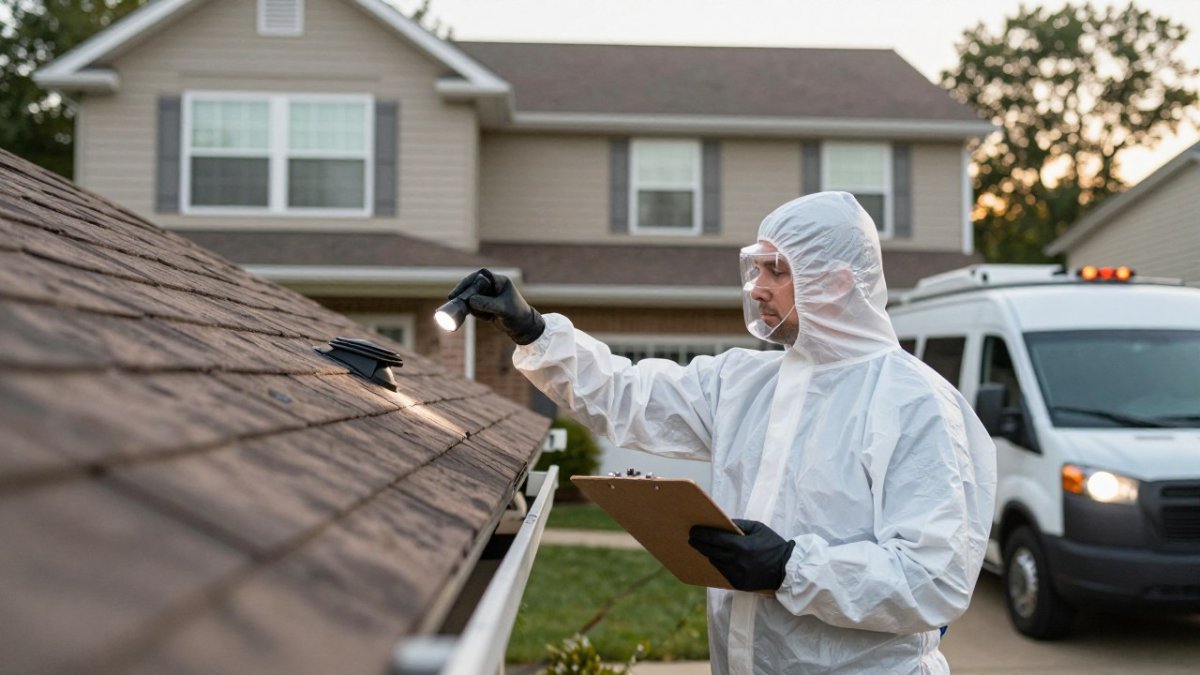
The USDA Wildlife Services program and state wildlife agencies set the rules technicians follow for handling and relocating animals, so a licensed operator will reference them directly. For a detailed walkthrough of what the inspection covers, see what a residential wildlife inspection includes.
Request Wildlife Removal Service From Ekoterra
Ekoterra Gopher Pest and Wildlife Control provides eco-friendly pest and wildlife management across Ventura, Los Angeles, and Santa Barbara Counties, with guaranteed results for homes and businesses.
Ekoterra's services are described as eco-friendly and environmentally conscious, and aim to protect your family, pets, and property.
You can request wildlife removal service from Ekoterra to discuss your situation.
Wildlife conflicts rarely fix themselves, and waiting usually makes the damage worse. If an animal is in your home or on your property, get a real arrival window instead of a guess. Ekoterra Gopher Pest and Wildlife Control offers eco-friendly removal, guaranteed results, and service across Ventura, Los Angeles, and Santa Barbara Counties. Get started with Ekoterra and protect your home with a plan built around prevention, not repeat visits.
Frequently Asked Questions
How quickly can a wildlife removal service respond?
Response times depend on urgency, time of day, and how close the provider is to your property. Calls involving an animal inside living space are generally treated as more urgent than routine requests for a burrowing pest in the yard. Ask the dispatcher for a realistic arrival window before you book, and confirm whether after-hours service carries a different timeline. A provider that gives you a range instead of a vague promise is usually the more reliable choice.
Can a wildlife removal service come the same day?
Same-day wildlife removal depends on availability when you call, and open slots can vary by time of day and season. When you call, describe the animal, its location, and whether it is alive or dead. That information helps the dispatcher judge urgency and tell you honestly whether same-day service is realistic.
When should I call animal control instead of a wildlife removal service?
Animal control agencies typically handle rabies concerns and public safety calls. Wildlife removal services handle nuisance animals in homes and yards. If a wild animal is inside your living space or acting aggressively, call a wildlife provider for removal and your local animal control if there is an immediate bite or rabies risk.
What should I do while waiting for wildlife removal?
Keep people and pets out of the affected room, close interior doors to contain the animal, and avoid handling it yourself. Do not block the animal's exit or try to trap it with household items. Note where you saw it and any sounds or damage, then share those details with the technician when they arrive so the inspection starts with a clear picture.
