Last Updated: November 2, 2026
Quick Summary
Insurance coverage for wildlife damage repairs depends on which policy matches the object damaged: auto comprehensive covers animal strikes on your vehicle, while homeowners insurance may cover sudden wild animal damage but often excludes rodents, vermin, and pests. Document the species and damage before cleanup, and report the claim the same day.
- Comprehensive car insurance covers animal strikes, while collision covers hitting other vehicles or objects.
- Swerving to miss an animal and hitting a tree turns a no-fault comprehensive claim into an at-fault collision claim.
- Most homeowners policies do not pay to remove the animal itself, only the damage it caused.
- Ask your carrier in writing whether the policy excludes rodents by name before you file.
- Do not authorize permanent repairs before the adjuster inspects, which can void reimbursement.
Table of Contents
- Why Wildlife Damage Claims Get Denied More Often Than You Think
- Collision vs. Comprehensive Car Insurance Animal Damage
- Wild Animal Damage Homeowners Insurance: What's Covered and What Isn't
- Wildlife Damage Insurance Claim Documentation That Gets Approved
- Animal Removal Insurance Coverage: What You Pay Out of Pocket
- How to File a Wildlife Damage Claim Step by Step
- Schedule a Wildlife Inspection Before the Damage Starts
- Frequently Asked Questions
Why Wildlife Damage Claims Get Denied More Often Than You Think
Most homeowners assume insurance coverage for wildlife damage repairs will handle the mess. Then the denial letter arrives. The truth is that wildlife damage sits in a confusing gap between policies, and insurers exploit that gap.
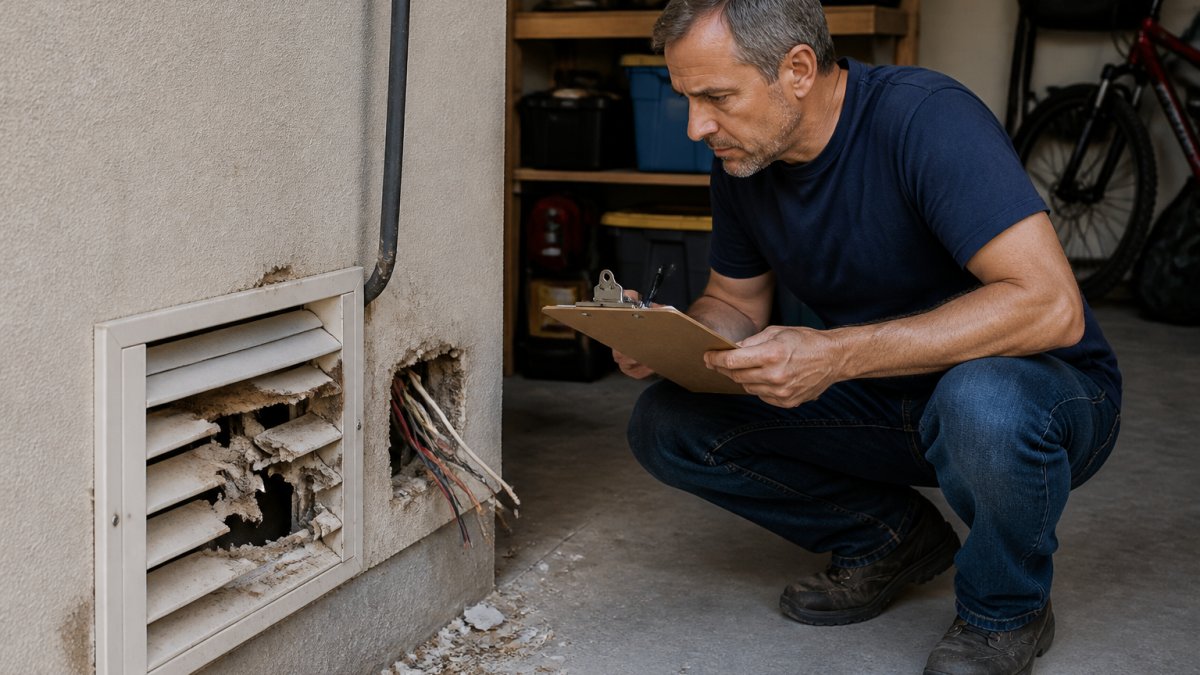
Here is the core problem. Your homeowners policy may exclude "rodent damage" while covering "wild animal damage," or the reverse. A single word in the contract decides thousands of dollars. The Insurance Information Institute's guide to homeowners coverage notes that maintenance-related and pest-related losses are among the most commonly excluded perils.
Three traps drive most denials:
- Exclusion clauses that list pests, rodents, or vermin by name
- Delayed reporting that lets the insurer argue the damage was pre-existing
- No proof of the animal or the timeline of destruction
Skip any one of these and the claim weakens fast.
Collision vs. Comprehensive Car Insurance Animal Damage
Comprehensive car insurance animal damage coverage is what pays when a deer, raccoon, or other animal strikes your vehicle. Collision coverage handles impacts with other vehicles or objects, not animals. Mixing them up is the fastest way to a denied auto claim.
Here is the distinction that matters:
| Coverage | Pays For | Animal Example |
|---|---|---|
| Comprehensive | Animal strikes, theft, weather, vandalism | Hitting a deer on the highway |
| Collision | Hitting another car or object | Swerving into a guardrail |
| Liability | Damage you cause to others | Rear-ending a truck |
Comprehensive coverage is often called "other than collision." Animal collision claims generally fall here. If you carry only liability, an animal strike comes out of your own pocket.
A few mechanics decide whether the claim actually pays:
- Fault. A comprehensive animal strike is treated as no-fault, so it generally does not surcharge your policy the way an at-fault collision can.
- Glass and body damage. A cracked windshield from a bird strike is usually handled under comprehensive, and some carriers waive the deductible for glass repair rather than replacement.
The Swerving Trap That Turns a Covered Claim Into an At-Fault Accident
This is where drivers lose money without realizing it. You spot a raccoon, swerve to miss it, and hit a tree. Your comprehensive claim just became a collision claim, and you are now the at-fault driver.
The result? A premium increase, a higher deductible, and a mark on your record. Insurers treat swerving as driver error, not animal contact. The adjuster's first question is whether the vehicle made contact with the animal. If the answer is no, the file moves to collision.
Brake straight rather than swerving, since a swerve can turn a no-fault claim into an at-fault accident.
What to Do Immediately After Hitting an Animal
The first hour decides how clean the claim is. Work in this order:
- Move to safety and turn on hazard lights. Do not stand in the roadway.
- Call the police if the animal is large, the vehicle is undrivable, or anyone is hurt. A police report can be useful proof of the timeline.
- Photograph everything, the animal, the damage, the road position, and the surrounding signage.
- Do not move the animal if it is alive or if local rules require authorities to handle it. Injured wildlife can be dangerous.
- Notify your insurer the same day and open a comprehensive claim.
- Keep the repair estimate from a licensed shop before authorizing work.
Does an Animal Claim Raise Your Premium?
Ask your agent how a comprehensive animal claim will be coded and whether it affects your premium. Frequency matters: several comprehensive claims in a short window can make you a higher-risk policyholder, and some carriers non-renew after a pattern of losses. Ask your agent how the claim will be coded before you file, especially if the damage is close to your deductible.
When the Animal Is Someone Else's Livestock
A collision with a deer or raccoon is a comprehensive claim. A collision with a cow, horse, or other livestock can be different. Liability for livestock incidents depends on local law and the circumstances, so the file may move toward a liability claim rather than your own comprehensive coverage. Document the location, the owner if identifiable, and any fence condition before you leave the scene.
Wild Animal Damage Homeowners Insurance: What's Covered and What Isn't
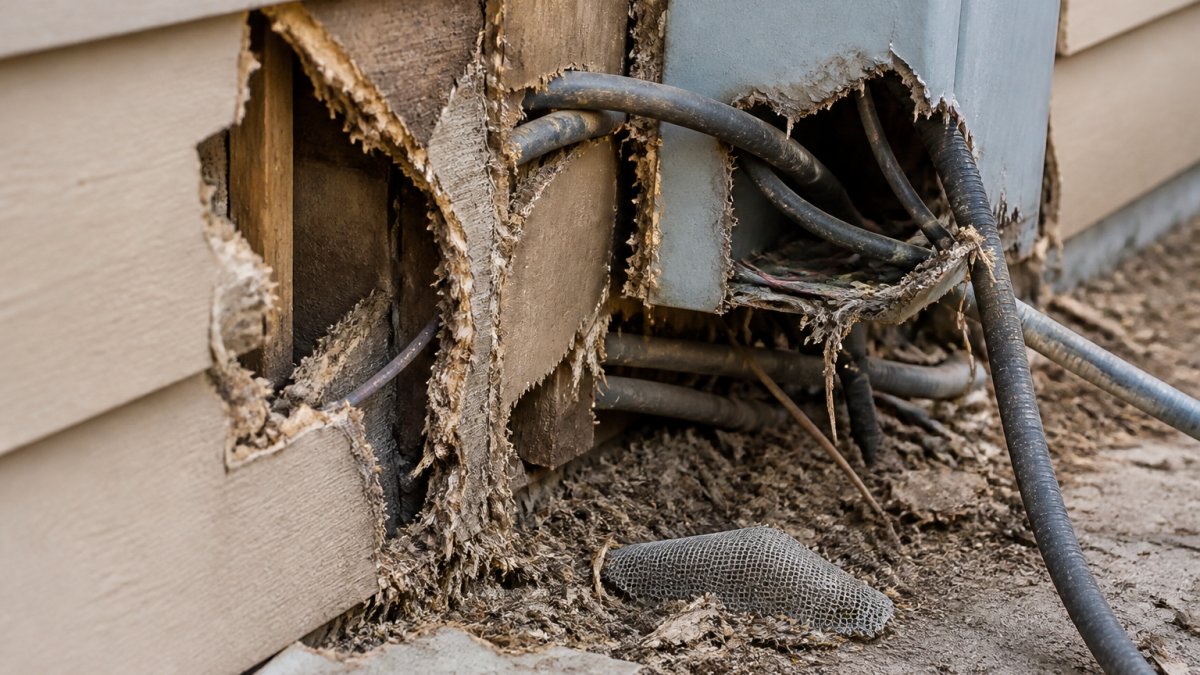
Wild animal damage homeowners insurance is inconsistent across carriers, and that inconsistency is the whole story. Wildlife damage is often treated as a vehicle issue, but the bigger gap is property: attic infestations, chewed wiring, torn soffits, and destroyed landscaping are where homeowners actually lose money, and where the policy language is least clear.
What is often covered:
- Sudden damage from a wild animal, like a raccoon tearing off shingles or a bear breaking a window
- Structural damage tied to a covered peril, such as a fallen tree pushed over by an animal
- Temporary repairs to prevent further loss, like tarping a roof
- Damage to the dwelling and attached structures, subject to the policy limit
What is often excluded:
- Damage from rodents or vermin
- Gradual damage the owner should have noticed
- Cosmetic damage and landscaping
- Nesting or infestation the insurer calls "maintenance"
- Detached structures above the sub-limit (sheds, fences, garages)
The Wild Animal vs. Pest Line Is Where Claims Die
The exclusion is not usually the word "wildlife." It is the word "rodent," "vermin," or "pest." The species identification in your file can determine which side of an exclusion a loss falls on.
That is why the documentation step matters more than the damage itself. Documentation that names the species, photographs the entry point, and dates the activity can help support how a loss is coded.
Property-Specific Angles Most Guides Skip
- Vehicles on the property. A raccoon chewing wiring in a parked car is an auto comprehensive claim, not a homeowners claim, even though it happened in the driveway.
Homeowners vs. Auto: Which Policy Pays for Wildlife Repairs
Homeowners insurance covers your property. Auto insurance covers your vehicle. They rarely overlap, and that confusion costs people money. A deer through the windshield is an auto claim. A raccoon in the attic is a homeowners claim. A gopher destroying the lawn is usually neither, because landscaping is commonly excluded. Learn how to stop gophers damaging lawn with traps, natural repellents, and professional control.
The practical rule: match the policy to the object damaged, not to the animal. The same raccoon can trigger two different claims depending on whether it is in the attic or under the hood.
If you want to keep animals out before damage happens, our guide to wildlife exclusion steps walks through the practical process.
Wildlife Damage Insurance Claim Documentation That Gets Approved
A strong wildlife damage insurance claim documentation package is the difference between a check and a denial. Adjusters approve claims with clear proof, not sympathy.
Build your file with:
- Photos and video of the damage and the animal if possible
- A dated timeline of when you noticed the problem
- A police or accident report for vehicle strikes
- Professional inspection notes identifying the species and entry points
- Repair estimates from licensed contractors
A common mistake is cleaning up before documenting. Leave the mess until the photos are taken. Insurers deny claims they cannot verify, and an empty attic proves nothing.
Animal Removal Insurance Coverage: What You Pay Out of Pocket
Animal removal insurance coverage is rarely a standalone line item. Most homeowners policies do not pay to remove the animal itself, only the damage it caused. That means trapping and exclusion usually come out of your pocket.
What you typically pay for:
- The deductible before any damage payout
- Animal removal and exclusion work
- Preventive repairs the insurer calls maintenance
Understanding your deductible matters here. If the damage sits near your deductible, the claim may not be worth filing. A single small repair can cost less than the deductible and the premium risk combined. To see how professional removal is priced, review our breakdown of wildlife removal services cost before you decide whether to file.
How to File a Wildlife Damage Claim Step by Step
Filing correctly is simple if you move fast and document everything. Here is the process we recommend:
- Document immediately with photos and notes before cleanup.
- Report to your insurer the same day to avoid delay disputes.
- File a police report for any vehicle strike.
- Get a professional inspection to confirm the species and damage.
- Collect repair estimates from licensed contractors.
- Submit the claim with the full documentation package.
- Track every communication and keep copies of everything.
Do not authorize permanent repairs before the adjuster inspects. That can void reimbursement. If your claim stalls, a vetted local provider can help document the damage properly, and you can compare top-rated wildlife removal companies to find one.
Schedule a Wildlife Inspection Before the Damage Starts
The cheapest claim is the one you never have to file. Prevention beats documentation every time. Wildlife damage that never happens costs you nothing in deductibles, premiums, or denied claims.
Ekoterra Gopher Pest and Wildlife Control offers eco-friendly pest and wildlife management for homes and businesses.
Do not wait for the denial letter. Schedule a wildlife inspection to learn more about preventing damage.
Frequently Asked Questions
Is wild animal damage covered by homeowners insurance?
Usually yes, but it depends on the cause. Most standard policies cover sudden damage from a wild animal, such as a raccoon tearing through a roof vent or a squirrel chewing wiring, because the loss is accidental. Damage from repeated neglect or an ongoing infestation you knew about is often excluded. Structural repairs are generally covered, but the cost of trapping and removing the animal itself usually is not. Check your policy exclusions and deductible before you file.
Will insurance cover repairs if I hit a deer?
Yes, if you carry comprehensive car insurance. Animal damage falls under comprehensive coverage, not collision, so a deer strike is typically covered even though you hit something. Your deductible applies. Report the incident and photograph the damage before repairs.
What documentation do I need to file a wildlife damage insurance claim?
Start with dated photos of the damage and the animal or its entry point, plus a written description of what happened and when. Get a police or accident report for a vehicle collision, and keep all repair estimates and receipts. For home claims, save the claims adjuster's inspection notes and any contractor quotes. Report promptly, since delays can weaken a claim.
Does insurance cover the cost of removing an animal from a home?
Rarely. Animal removal insurance coverage is usually excluded from standard homeowners policies, which treat trapping, exclusion work, and cleanup as maintenance rather than sudden loss. Coverage for cleanup or dead animal removal varies, so verify your policy. Most homeowners pay removal out of pocket and rely on coverage only for the resulting structural or cosmetic damage. A professional inspection can catch entry points before repairs become a claim.
Wildlife damage rarely announces itself. It builds quietly until the repair bill and the denial letter arrive together. The fix is to act before either one shows up. Get started with Ekoterra Gopher Pest and Wildlife Control and protect your property with guaranteed, eco-friendly wildlife control built to keep animals out for good.
