Table of Contents
- What Professional Wildlife Removal Services Cost in 2026
- Wildlife Removal Cost by Animal and Infestation Severity
- What Changes Wildlife Removal Service Quotes: Itemized Cost Factors
- Attic Animal Removal Cost: Why the Location Drives the Price
- Wildlife Exclusion Cost and What Sealing Work Actually Includes
- Licensing, Humane Handling, and Insurance Coverage for Removal Work
- How to Compare Wildlife Removal Quotes Before You Hire
- Frequently Asked Questions
Last Updated: October 19, 2026
What Professional Wildlife Removal Services Cost in 2026
Professional wildlife removal services cost what they cost because of labor, risk, and the mess an animal leaves behind. At Ekoterra Gopher Pest and Wildlife Control, we quote every job after an inspection, never from a phone guess. Most homeowners searching for professional wildlife removal services cost figures want a number they can budget against, and the honest answer is that a single-animal job and a full attic infestation sit at opposite ends of the same price range.
Three things move the number more than anything else: the species, how many animals are involved, and how hard the entry point is to reach. A raccoon in a crawl space is a different job from squirrels in a soffit, and the quote should reflect that.
Below, we break down what actually drives a wildlife removal service quote, where add-on fees hide, and how to compare bids line by line instead of staring at the bottom line.
Wildlife Removal Cost by Animal and Infestation Severity
Cost tracks two variables: the animal and the scale of the problem. A single-animal situation is priced as a targeted removal. An infestation with a colony, nest sites, and multiple entry points is priced as a multi-visit project with exclusion work built in.
Species matter because they change the method. Squirrels and raccoons require different trapping equipment, different handling precautions, and different legal considerations. Opossums are usually a straightforward live capture and relocation. Bats are a category of their own, because timing restrictions on when work can be done often apply.
Severity changes the labor hours. One animal with one entry point might be a single service call. A colony with droppings throughout an attic means removal, sanitation, and often repair, each billed separately or bundled into a project cost.
| Situation | What Drives the Quote | Typical Scope |
|---|---|---|
| Single animal, one entry point | Short labor, one trap set | One visit plus a follow-up check |
| Family group in attic | Multiple animals, larger exclusion area | Several visits, sealing, sanitation |
| Colony or long-running infestation | Heavy contamination, structural repair | Multi-phase project with warranty |
| Dead animal in wall or crawl space | Access difficulty, odor control | Retrieval plus sanitation |
Ask any provider to state which category your job falls into before they quote. A company that cannot answer that question is guessing.
What Changes Wildlife Removal Service Quotes: Itemized Cost Factors
A wildlife removal service quote should break into parts you can read. When a bid arrives as one lump sum, you cannot tell whether you are paying for thorough work or for a fast trap-and-go. The gap most guides leave is the actual line-item structure: what a trip charge is, when equipment is billed separately, and which fees commonly appear only after you have signed.
Here is what a well-itemized estimate usually separates, with the mechanics that drive each line:
- Inspection and assessment fee. The visit that identifies the species, entry points, and damage. Many companies charge a diagnostic fee for this visit and credit it toward the job if you hire them; ask whether the credit is automatic or only applies above a minimum job size.
- Trip or dispatch charge. A flat fee some companies add per visit, separate from labor. On multi-visit projects this line can quietly add up, so ask whether follow-up trips carry the same charge.
- Labor and time on site. Removal work is billed by the hour or by the job, and accessibility drives it. Ask whether the quote is a firm price or an hourly estimate with a cap.
- Trapping equipment and setup. Trap types vary by species, and setup time is real labor. Some companies bill trap rental or equipment separately from the labor to set it; confirm whether equipment is included in the removal line.
- Exclusion materials and sealing. Screening, mesh, sealant, and the hours to install them. Materials are sometimes marked up, so ask for a materials-and-labor split on larger sealing jobs.
- Cleanup and sanitation. Droppings, nesting material, and disinfecting contaminated surfaces. This is the line most often omitted from a low bid; ask what disinfectant protocol is used and whether insulation removal is included or billed as a separate disposal line.
- Repair. Replacing insulation, patching drywall, or fixing chewed wiring. Repair is frequently subcontracted, which adds a markup; ask whether the company performs repairs in-house or marks up a third party.
- Disposal and haul-away. Dead animal removal and contaminated material disposal can carry a separate fee, especially where local disposal rules require special handling.
- Follow-up visits. A return trip to confirm the animal is gone and the entry point held. Ask how many are included and what each additional visit costs.
- Emergency or after-hours surcharge. Nights, weekends, and holidays commonly carry a premium over standard rates; confirm the window and the multiplier before you call.
What most guides miss is that the inspection fee is the cheapest line on the estimate and the most important one. A provider who skips a proper wildlife inspection is pricing blind, and a blind price is the one most likely to climb after work starts. Ask for the estimate in writing with each line above either priced or explicitly marked "included."
Attic Animal Removal Cost: Why the Location Drives the Price
Attic animal removal costs more than ground-level removal because attics are hot, cramped, and hard to work in. A technician climbing through insulation in full protective gear takes longer to do everything, and that time shows up in the labor line.
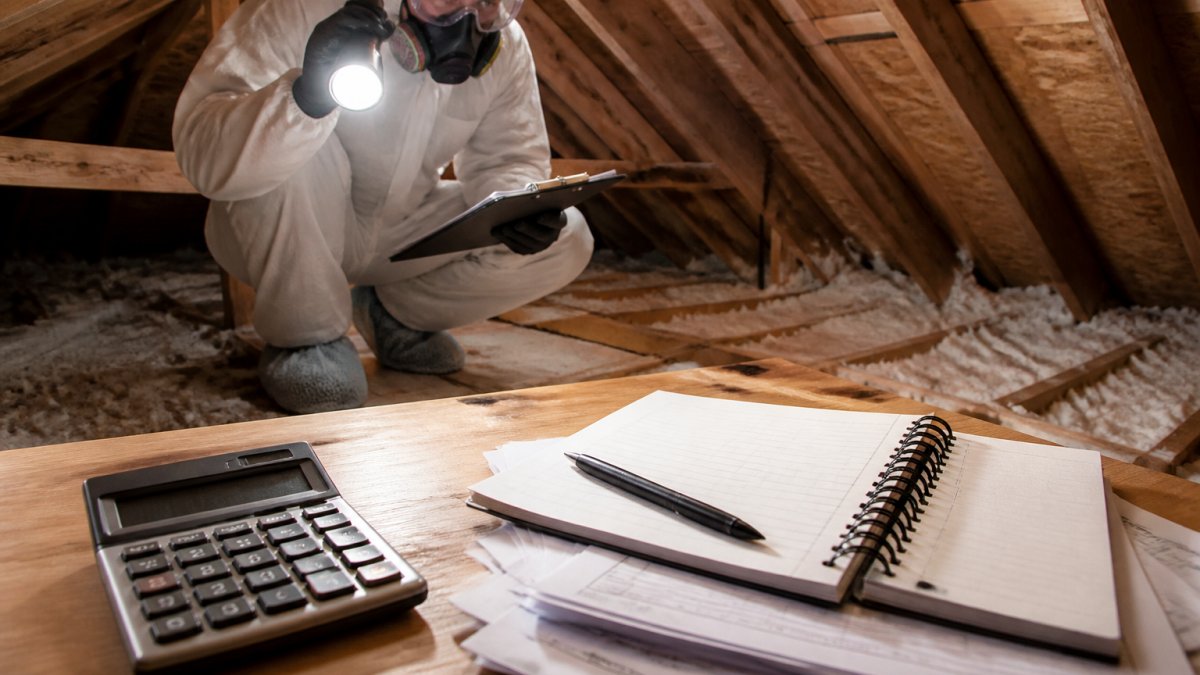
Species changes the attic job more than location does. Squirrels in a soffit often mean a family group and a larger exclusion area, so the quote tends to include multiple visits and sealing.
Access is the hidden cost driver. A crawl space with a clear hatch is quick to enter. An attic reached only through a small closet opening, or a roofline that needs a ladder and fall protection, adds setup time before any removal begins.
Contamination raises it further. Animals in an attic leave droppings, urine, and nesting material, and sanitation in an enclosed space takes longer than most homeowners expect. The CDC guidance on rodent and wildlife-borne disease risks explains why that cleanup is not optional.
Dead animal removal is priced differently. A dead animal in a wall or crawl space is a retrieval-and-odor-control job, not a trapping job.
Emergency and after-hours work carries a premium. An animal in the living space at night, or a dead animal creating an odor problem, often triggers an after-hours call.
Expect attic work to sit at the higher end of any price range you are quoted, and ask specifically what the bid includes for sanitation, insulation, and repair.
Wildlife Exclusion Cost and What Sealing Work Actually Includes
Wildlife exclusion cost covers the permanent fix: sealing every entry point so animals cannot return. Removal without exclusion is a temporary service, and repeat service calls are how homeowners end up paying twice.
Exclusion work includes a full entry-point survey, screening over vents and chimney caps, sealing gaps along the roofline and foundation, and repairing damaged fascia or soffit where animals chewed through. On older properties, the sealing work is often the larger part of the project because there are more gaps to close.
Ask every provider two questions: does the quote include exclusion, and does the warranty cover re-entry? A guarantee that only covers the removal leaves you exposed the moment a new animal finds the same hole.
Licensing, Humane Handling, and Insurance Coverage for Removal Work
Licensing and insurance are where cheap quotes quietly cut corners. Wildlife removal involves handling animals, working at height, and entering contaminated spaces, and a provider without proper coverage shifts that risk onto you.
Ask for proof of state licensing where required, liability insurance, and workers' compensation. Ask how the company handles live capture and relocation, and whether its methods follow state wildlife regulations. The U.S. Fish and Wildlife Service state wildlife agency directory lists the agencies that set those rules.
Humane handling matters for practical reasons as well as ethical ones. Capture and release done badly injures animals and creates repeat problems. Legal handling matters too, because some species carry restrictions on when and how they can be removed.
On insurance: check whether your homeowner's policy covers wildlife damage before you assume it does. Many policies treat animal damage differently from storm damage, and coverage varies by carrier. Ask your insurer directly, in writing.
How to Compare Wildlife Removal Quotes Before You Hire
Comparing quotes means comparing scope, not totals. Two bids can sit within a few dollars of each other and cover completely different work.
Use this checklist on every estimate you receive:
- Does the quote include a written inspection with species and entry points identified?
- Is removal, exclusion, sanitation, and repair itemized separately?
- How many follow-up visits are included, and at what cost after that?
- Does the warranty cover re-entry, and for how long?
- Is the company licensed and insured, with proof provided?
- Are the removal methods humane and legal for the species involved?
- Is the price a firm quote or an estimate that can climb?
A provider that answers all seven in writing is a provider worth hiring. One that dodges the warranty question is telling you something.
At Ekoterra Gopher Pest and Wildlife Control, we build quotes around that checklist, with eco-friendly methods and guaranteed results for homes and commercial properties.
Wildlife problems get worse with time, not better, and the cost of waiting usually shows up as repair work. If you are facing an animal in the attic, a burrowing pest in the yard, or a colony that keeps coming back, get a written inspection and a quote you can actually read. Ekoterra Gopher Pest and Wildlife Control offers eco-friendly removal, exclusion, and sanitation with guaranteed results. Reach out for an inspection and get started with a plan built around your property.
Frequently Asked Questions
Does wildlife control charge for an inspection or estimate?
Many providers charge a separate inspection or service call fee, while others fold the assessment into the removal price if you book the job. Ask up front whether the inspection fee is credited toward the work. A thorough wildlife inspection should identify entry points, droppings, damage, and the species involved, since that assessment is what the final wildlife removal cost is built on. Get the answer in writing before anyone comes out.
What factors affect the cost of wildlife removal?
The biggest drivers are animal type and size, how many animals are present, and where they are living. A single squirrel in a garage is a small job; a raccoon colony in an attic with torn ductwork is not. Accessibility matters too, as does whether the quote includes exclusion and sealing, sanitation and cleanup, and any repair work. Emergency or after-hours service usually adds to the price, and repeat visits for trapping add labor.
Does wildlife removal include sealing entry points?
Not always. Trapping and removal is often quoted separately from exclusion work, which is the sealing of entry points with mesh, hardware cloth, vent covers, and chimney caps. Ask each provider whether their wildlife removal service quote bundles removal and exclusion or prices them apart. Bundling usually costs less overall than paying for two separate visits, and sealing is what prevents the same animals from returning.
Is wildlife removal more expensive when repairs are needed?
Yes. Removal gets the animal out; repairs address what it left behind. Torn insulation, chewed wiring, contaminated attic space, and damaged soffits are billed as add-ons or referred to a contractor. Sanitation and disinfection after dead animal removal or a heavy infestation is a separate line item too. Ask for an itemized quote so you can see exactly which repairs are included and which are not.