Last Updated: November 19, 2026
Quick Summary
The best time of year for gopher control is late winter and early spring, when pocket gophers push fresh mounds to the surface and feed close to the top of their tunnels. This window gives you the clearest read on where the animals are working, making trapping and scouting most effective.
- Gophers do not hibernate; they dig all year, but depth and surface activity shift with soil moisture and temperature.
- Summer heat drives gophers deeper, and in hot, dry climates summer control is largely ineffective.
- Fall brings a second push as gophers cache food and extend tunnels, often as productive as spring.
- Check for new activity within a few days after a good rain or irrigation cycle.
- Confirm success by checking for no new mounds for 7 to 10 days.
Table of Contents
- Why the Best Time of Year to Control Gophers Changes With the Season
- Gopher Activity by Season: What to Expect Each Month
- How to Identify Active Gopher Tunnels Before You Treat
- The Fastest Way to Get Rid of Gophers: Matching Method to Season
- How to Get Rid of Gophers Without Killing Them
- How Soil Moisture, Rainfall, and Irrigation Affect Control Effectiveness
- Safety, Legal Restrictions, and Protecting Non-Target Wildlife
- How to Confirm Control Success and Monitor for New Activity
- Frequently Asked Questions
Why the Best Time of Year to Control Gophers Changes With the Season
The best time of year to control gophers is late winter and early spring, when pocket gophers push fresh mounds to the surface and feed close to the top of their tunnels.
Gophers do not hibernate. They dig all year, but their depth and surface activity shift with soil moisture and temperature. That single fact is why timing matters more than the method you pick.
This guide breaks down gopher activity by season, shows how to read fresh mounds, and matches each control method to the right window.
Gopher Activity by Season: What to Expect Each Month
Gopher activity by season follows a predictable pattern, but the exact timing shifts with climate, latitude, and local soil conditions. Pocket gophers stay active year-round, yet their mounding activity rises and falls with soil moisture and temperature. That is why two properties in different regions can have peak activity weeks apart.
Late Winter and Early Spring: Peak Mounding Activity
Late winter through early spring is peak mound formation across most of the country. Soils are moist and easy to dig, and gophers push up fresh mounds as they expand burrow systems before the breeding push. In colder regions, this window arrives as soon as the ground thaws and the first consistent rains soak in. In milder regions, it may start in late January. This is the best window for trapping and for scouting new activity. Look for fan-shaped or crescent-shaped mounds of loose soil, and check them every few days.
Summer, Fall, and Winter: How Behavior Shifts
Summer heat drives gophers deeper, where soil stays cool and moist. Surface activity drops, and mounds appear less often. In hot, dry climates, summer control is largely ineffective because fresh runs are hard to find. Fall brings a second push as gophers cache food and extend tunnels, and this window is often as productive as spring in regions with mild autumns. Winter keeps them burrowing, though frozen or saturated ground can slow mounding. In areas with mild winters, gophers may mound actively all season.
A Region- and Climate-Specific Seasonal Calendar
Because recommendations vary by region, use this calendar to adjust the general pattern to your local conditions. The key variables are soil temperature, rainfall timing, and whether the ground freezes.
- Cold-winter regions (northern states): Peak mounding occurs from late February through April, as soon as the ground thaws and before soils dry. Fall (September to October) offers a secondary window before the ground freezes. Winter control is limited to trapping in active runs under snow cover, which is difficult but possible.
- Mild-winter regions (southern and coastal states): Activity is often highest from January through March, when soils are moist and temperatures are moderate. A second peak can occur in late fall. Summer is the least effective window because dry, hard soil reduces mounding.
- Dry-summer regions (interior West): Spring is the primary window, driven by snowmelt and early irrigation. Fall can be productive if rains arrive early. Summer control depends on irrigation, which can create localized activity near watered turf and gardens.
- Irrigated landscapes anywhere: Irrigation resets the calendar. If you water regularly, gophers may mound near the surface throughout the growing season, so scouting after each irrigation cycle is more useful than following a fixed seasonal rule.
The takeaway: control effectiveness depends on working when gophers are active near the surface, not when your calendar says so. Use the regional pattern above as a starting point, then confirm with fresh mound activity on your property.
How to Identify Active Gopher Tunnels Before You Treat
Active gopher tunnels are the ones with fresh soil and open plugs. A tunnel with no new soil for a week or more may be abandoned, and treating it wastes time and bait.
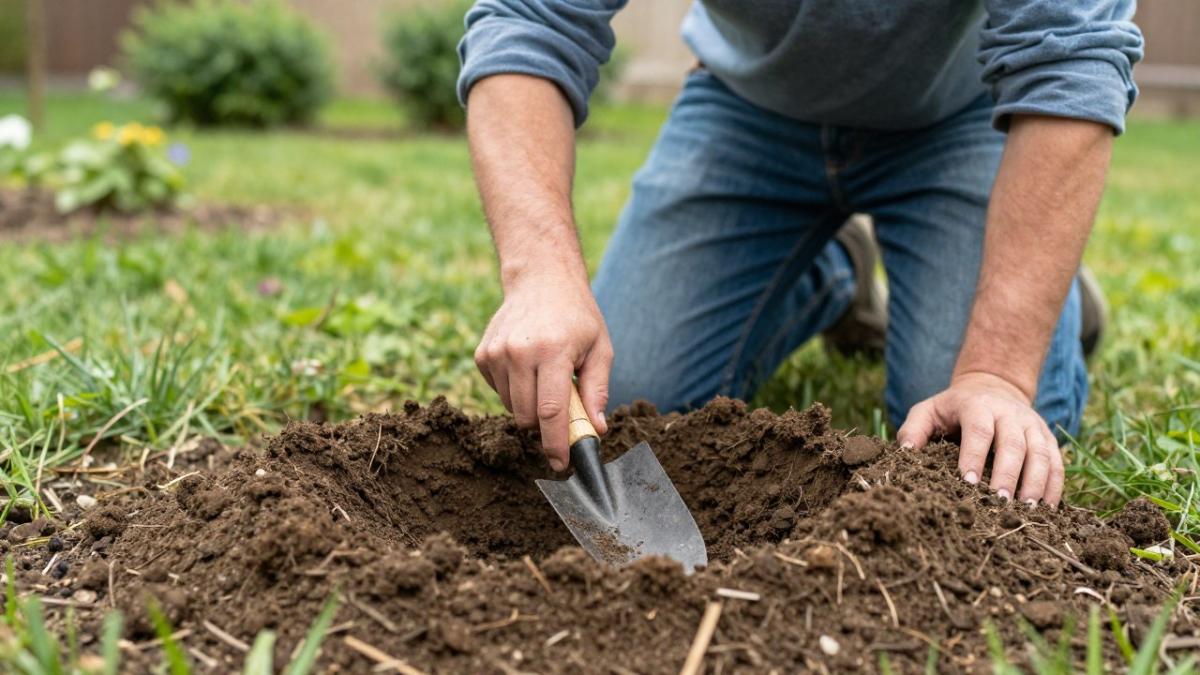
Start by walking the property at dawn, when new mounds are easiest to spot. Then probe the soil a few inches off the mound's center.
Reading Fresh Mounds and New Activity
Fresh mounds have loose, dark soil and no crust. Older mounds are packed and may have weeds pushing through. Here is how to tell them apart:
- Fresh mound: loose soil, no rain crust, appears overnight
- Old mound: firm surface, weathered edges, plant growth on top
- Active tunnel: plug reopens after you clear it
- Abandoned tunnel: stays open and dry for days
A common mistake is treating the whole yard at once. Focus on active runs first, which typically means using less bait.
The Fastest Way to Get Rid of Gophers: Matching Method to Season
Trapping in active tunnels during late winter and early spring, when surface activity is highest, is one commonly used approach. Trapping works year-round, but it is fastest when you can find fresh runs quickly. Fumigation works best in moist soil, when tunnels hold the gas. Bait performs best when gophers are feeding near the surface. Here is how the methods line up:
Get Rid Of Gophers and Voles from Your Garden for GOOD!
Jacques in the Garden
| Method | Best Season | Why It Works Then | Conditions That Reduce Effectiveness |
|---|---|---|---|
| Trapping | Late winter to early spring | Fresh mounds reveal active runs | Dry, hard soil makes tunnel probing difficult; frozen ground blocks access |
| Fumigation | Spring, after rainfall | Moist soil holds fumigant in tunnels | Bone-dry or overly saturated soil lets gas escape; high water table |
| Bait | Spring and fall | Gophers feed near the surface | Wet weather spoils bait; abundant natural food reduces acceptance |
| Exclusion | Any season | Blocks burrowing before it starts | Loose soil or damaged mesh allows bypass; not effective for large acreage |
A Decision Guide by Control Method
Use this guide to choose the method that fits your situation, rather than defaulting to one approach.
- Choose trapping when: You can identify fresh, active runs and want a targeted, non-chemical method. Trapping is most effective in spring and fall when gophers are near the surface. It requires checking traps daily and handling carcasses.
- Choose fumigation when: Soil is moist but not saturated, and you are treating well-defined tunnel systems. Fumigation is less effective in dry, sandy, or rocky soils where gas escapes. It also requires compliance with label directions and local restrictions.
- Choose bait when: You need to cover a larger area and gophers are actively feeding near the surface. Bait is most effective in spring and fall. Use enclosed bait stations to protect pets, children, and non-target wildlife, and follow all label requirements.
- Choose exclusion when: You are protecting a garden bed, foundation, or small orchard and want a long-term barrier. Exclusion works in any season but is best installed before peak activity. It is not practical for large acreage.
If you would rather not handle traps and bait yourself, book professional gopher control and let a trained team work the active runs. Weighing DIY against hiring? This cost-benefit analysis of professional gopher removal lays out what each approach involves.
Watch out: using a method outside its effective conditions, such as fumigating bone-dry soil or baiting during heavy rain, wastes time and money and may require retreatment.
How to Get Rid of Gophers Without Killing Them
Getting rid of gophers without killing them means blocking, disturbing, and redirecting them rather than trapping or baiting. It takes more patience, and results vary by property.
Non-lethal options include:
- Exclusion: bury hardware cloth along garden beds and foundations
- Habitat change: remove brush piles and dense ground cover
- Flooding: saturate tunnels, though this works only in some soils
- Repellents: castor oil products and ultrasonic devices, with mixed results
If you want a full walkthrough, this guide on how to get rid of gophers naturally in 7 steps covers each method in order. For a broader look at humane options, see our rundown of eco-friendly gopher removal methods for your yard.
Watch out: flooding tunnels can collapse soil near foundations and drown non-target wildlife. Use it with care, or skip it.
How Soil Moisture, Rainfall, and Irrigation Affect Control Effectiveness
Soil moisture decides how well most control methods work. Moist soil holds tunnel shape, carries fumigant, and makes fresh mounds easy to spot. Dry, loose soil collapses and dulls bait and trap performance.
Rainfall and irrigation reset the clock. After a good rain, check for new activity within a few days. Gophers often reopen tunnels and push fresh soil after irrigation cycles.
In practice, this means:
- Trap after rainfall, when runs are fresh
- Fumigate in moist soil, not bone-dry ground
- Recheck bait stations after heavy rain
- Irrigate lightly before scouting, not after treating
Safety, Legal Restrictions, and Protecting Non-Target Wildlife
Safety comes first with any gopher control method. Traps, bait, and fumigants all carry risk to pets, kids, and wildlife if used carelessly.
Follow these rules:
- Read and follow the label on every bait and fumigant
- Keep traps and bait away from pets and children
- Wear gloves when handling traps and carcasses
- Check your state and local rules before using fumigants
- Use enclosed bait stations to protect non-target wildlife
The U.S. Environmental Protection Agency regulates rodenticide labels, and state wildlife agencies set local rules. When in doubt, ask before you treat.
How to Confirm Control Success and Monitor for New Activity
Control success shows up as fewer fresh mounds and no reopened tunnels. Give it one to two weeks, then walk the property again at dawn.
Use this checklist to confirm the job worked:
- No new mounds for 7 to 10 days
- Cleared tunnel plugs stay closed
- No fresh soil at previous hotspots
- No new surface activity near gardens or turf
Keep monitoring monthly through the active season. If damage continues on turf, this guide to stopping gophers damaging your lawn covers the follow-up steps.
Gophers do not take a season off, and neither should your control plan. The work is in matching your method to the window when gophers are active near the surface, then checking back until the mounds stop.
Frequently Asked Questions
Is late winter or early spring the best time to control gophers?
Late winter into early spring is often a common window for gopher control activity. Breeding season drives gophers closer to the surface, and moist soil from winter rain makes tunnels easier to locate and treat. Fresh mounds also become more visible as mounding activity peaks. That said, the ideal timing varies by climate, soil type, and population levels, so use fresh mound counts to confirm activity before starting any method.
What month are gophers most active?
Gophers stay active year-round, but surface activity and peak mound formation tend to cluster in late winter through early spring, roughly February to April in many regions. A secondary spike often appears in fall as gophers rebuild tunnels and prepare for winter. Summer activity can shift deeper underground or toward irrigated soil, which is why monitoring fresh mounds matters more than the calendar alone.
How can you tell if a gopher tunnel is active?
Look for fresh, dark soil in a fan or crescent shape, which signals new digging. Probe a few inches beside the mound to find the main tunnel, then open a small section and check whether it is plugged again within a day or two. A reopened tunnel confirms active gophers. Avoid treating old, weathered mounds with dry, crusted soil, since those may be abandoned.
Should you hire a professional to control gophers?
Hiring a professional makes sense when populations are high, when damage affects turf, orchards, or structures, or when eco-friendly methods must protect pets, children, and non-target wildlife. Professionals can map tunnel systems, time treatments to seasonal activity, and confirm success with follow-up monitoring.
