Last Updated: November 4, 2026
Quick Summary
The best vole bait for lawns depends on placement first: put bait stations along active runways, not in open lawn, with one station every 30 to 50 feet along a runway edge or foundation line. For traps, peanut butter mixed with rolled oats is the top bait, followed by sunflower seeds and apple chunks. Rotate baits every week or two to prevent bait shyness.
- Vole runways are shallow grass-level paths, while mole tunnels are raised ridges pushed up from below.
- Use a pea-sized amount of bait so the vole must work the trap trigger.
- Anchor bait stations and set the entrance parallel to the runway so voles stay under cover.
- Handle traps with clean gloves and wipe metal parts with white vinegar to remove odors.
- Mow closer along fence lines and clear mulch a few inches back from trunks to reduce cover.
Table of Contents
- Why the Best Vole Bait for Lawns Starts With Reading the Damage
- The Best Bait for Vole Traps: What Voles Actually Take
- Vole Bait Stations: When Bait Blocks Beat Traps
- Trap Placement and Bait Rotation That Raise Your Catch Rate
- Humane Removal, Pet Safety, and Post-Capture Cleanup
- Habitat Changes That Keep Voles From Coming Back
- Planning Your Vole Control With Ekoterra
- Frequently Asked Questions
Why the Best Vole Bait for Lawns Starts With Reading the Damage
The best vole bait for lawns is the one placed where voles actually travel, and that starts with reading the damage before you buy anything. Homeowners often buy bait first and diagnose second, then wonder why the population barely drops.
Voles are not gophers, and the damage looks different once you know what to check. According to University of California Statewide Integrated Pest Management Program, meadow voles create shallow surface runways through grass and ground cover rather than the large fan-shaped mounds gophers push up. That single distinction changes where your bait goes and which product format makes sense.
Runways vs. Mole Tunnels: Telling Them Apart
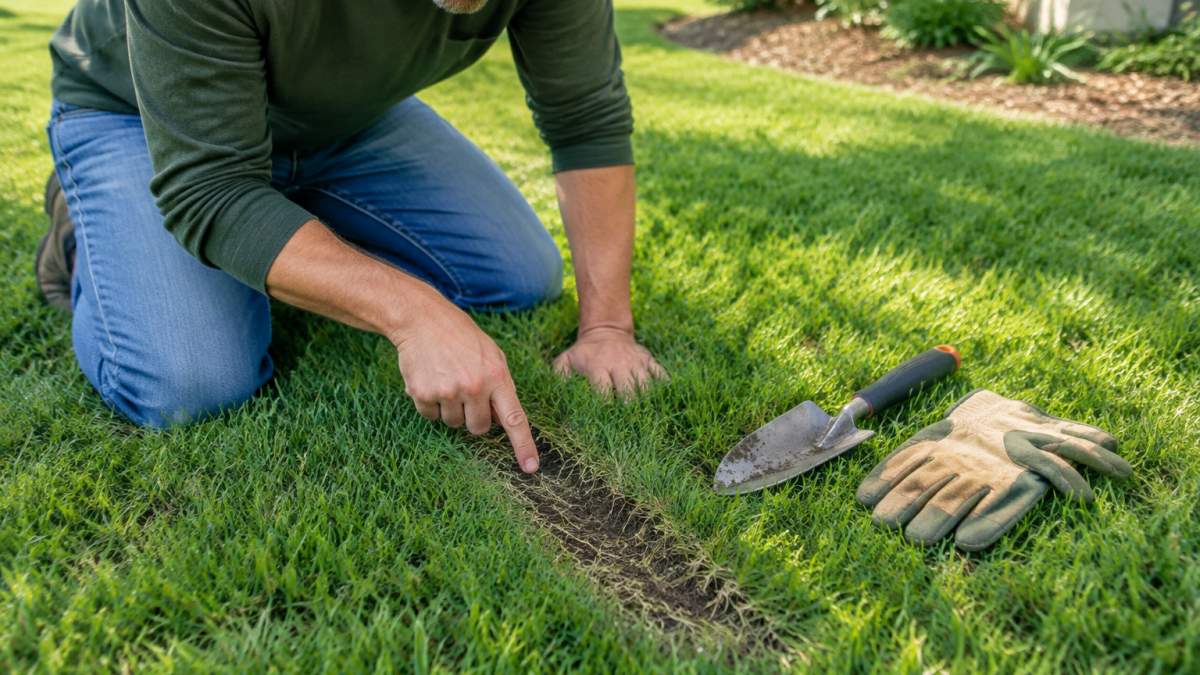
A vole runway is a shallow, grass-level path worn through vegetation, while a mole tunnel is a raised ridge pushed up from below. Voles run on top of the soil under cover; moles swim through it.
Check these field signs before you bait:
- Runways look like narrow flattened tracks through grass, often with clipped stems along the edges
- Small round openings, roughly the width of a quarter, connect runway segments
- Fresh green droppings and clipped vegetation appear near active holes
- Moles leave volcano-shaped mounds and raised ridges; voles rarely do
If you are still unsure which pest you have, this guide to telling gopher damage from mole damage walks through the field checklist that confirms the culprit before you spend money on bait.
Signs of Vole Activity in Grass and Garden Beds
Vole damage shows up as girdled trunks, chewed roots, and spongy turf that gives underfoot. Look for pencil-width gnaw marks on bark near the soil line, wilted plants with no visible pest on the leaves, and tunnels that collapse when you step on them.
Winter matters more than most people expect. Voles keep breeding under snow cover and ground cover, so damage often appears in spring that started months earlier. Check the base of shrubs and the edges of garden beds first, since vegetation damage concentrates where cover is thickest.
The Best Bait for Vole Traps: What Voles Actually Take
The best bait for vole traps is peanut butter mixed with rolled oats, followed closely by sunflower seeds and apple chunks. Voles are herbivores, and these baits offer the high-fat, high-carb food they tend to seek.
Bait choice matters less than bait placement, though. A vole that never encounters your trap trigger will never set it off, no matter how good the bait smells. Here is how the common options compare:
| Bait Type | Best For | Watch Out For |
|---|---|---|
| Peanut butter + oats | Snap traps, cool weather | Dries out; reapply every few days |
| Sunflower seeds | Live traps, warm weather | Attracts birds and squirrels |
| Apple chunks | Humid conditions | Spoils fast; replace daily |
| Oatmeal paste | Trap triggers needing grip | Washes away in rain |
A common mistake is over-baiting. A pea-sized amount forces the vole to work the trigger; a heaping spoonful lets it eat and leave. Keep bait fresh and rotate between two or three options so bait shyness never sets in.
Vole Bait Stations: When Bait Blocks Beat Traps
Vole bait stations make sense when the population is large, the property is big, or children and pets share the yard. A station is a tamper-resistant enclosure that holds bait blocks and lets voles enter while keeping non-target species out.
Placement and Anchoring
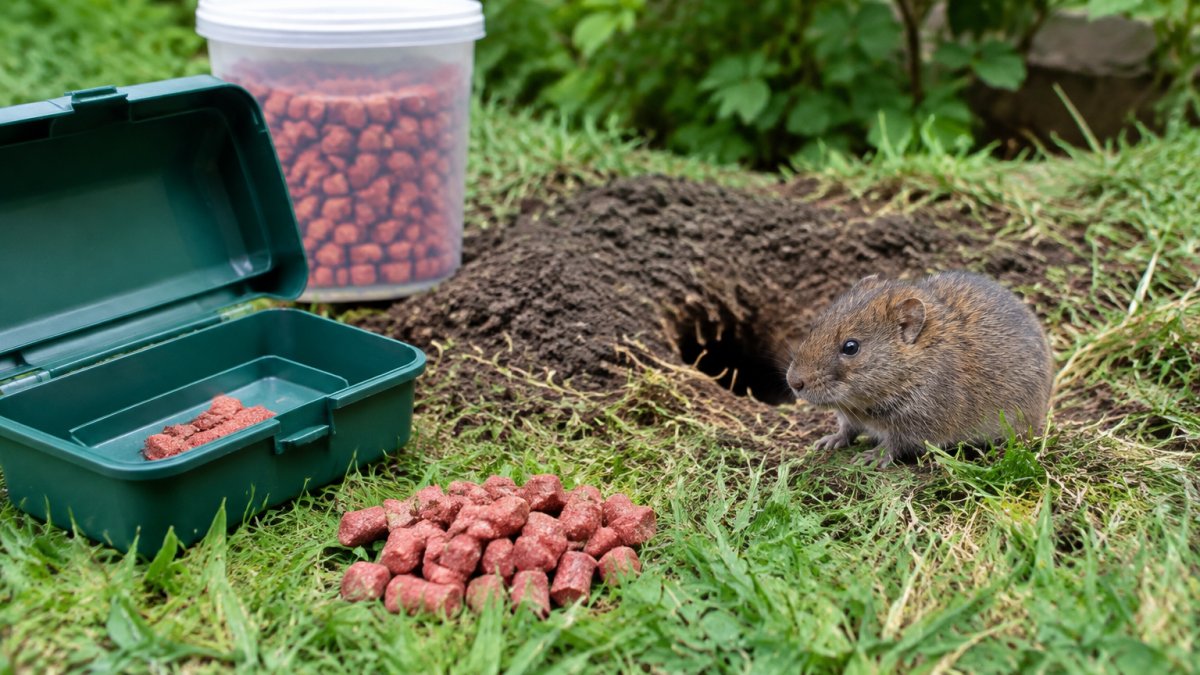
Place stations along active runways, not in open lawn, and anchor them so they cannot be knocked over. A common pattern is one station every 30 to 50 feet along a runway edge or foundation line, with the entrance opening parallel to the runway so voles enter without breaking cover. Set the station so the bait sits at runway level, a station perched on tall grass forces the vole to climb and exposes it, and it will be bypassed. Stake or weight the station, and check that the lid locks; a station a dog can nose open is not tamper-resistant in practice.
Watch out: placing a station in the middle of a mowed lawn looks tidy but catches almost nothing, because voles will not cross open ground to reach it.
Monitoring and the Speed Trade-Off
If you want non-toxic options, this guide to eco friendly rodent control solutions compares humane traps, exclusion, and prevention steps.
Trap Placement and Bait Rotation That Raise Your Catch Rate
Trap placement and bait rotation are often overlooked, and they matter as much as the bait itself. Set traps perpendicular to the runway, with the trigger end facing the path voles travel, and cover them with a small board or inverted box to block light. That much is standard advice. What most guides skip is how soil type changes the set and how scent handling determines whether a vole ever approaches the trap.
Soil-Specific Trap Placement
A trap that sits proud of a clay runway gets refused; a trap that sinks into a sandy runway fires late. Match the set to the soil underfoot:
- Clay and compacted soils: Runways hold a firm, clean edge. Seat the trap so the trigger pan sits flush with the runway floor, and pack a thin layer of sieved soil around the body to eliminate wobble. Clay shrinks when dry, so re-seat traps after a dry spell, a gap under the pan is a missed catch.
- Sandy and loamy soils: Runways crumble and the trap settles. Bed the trap on a small square of thin cardboard or a flattened plastic lid to spread the load, then dust a fine layer of dry soil over the pan so the trigger tension stays light. Check after rain; sand shifts and can bury the pan.
- Mulch beds and garden edges: Runways run through loose organic material that offers no firm base. Clear a patch down to mineral soil at the set point, seat the trap there, and rebuild a light cover of mulch over the top for darkness.
A common pattern is a trap that looks perfectly placed but sits a quarter-inch high on one corner. Watch out: a rocking trap will not fire cleanly, so press the body down and test the trigger with a pencil eraser before you walk away.
Scent-Free Trap Handling
Voles are prey animals with a strong aversion to novel odors, and a trap handled bare-handed carries skin oils, soap residue, and food smells straight to the runway.
Handle traps with clean canvas or nitrile gloves, and keep a dedicated pair for trap work only. Before the first set, air the traps outdoors for a day or two, then wipe metal parts with a cloth dampened with white vinegar and let them dry fully, vinegar neutralizes handling odors without leaving a perfume. Store traps in a sealed container with dry soil or clean straw rather than in a garage where they pick up fuel and chemical smells. After a catch, clean the trap before resetting; blood and bait residue are both an attractant to scavengers and a warning to other voles.
Bait Rotation and Bait Shyness
Voles develop bait shyness fast, a vole that samples a bait and associates it with a trap snap or a near-miss becomes wary of that smell for weeks. Switch your bait every week or two between peanut butter and oats, sunflower seeds, and apple, and switch trap locations every few days if catch rates drop. Keep a simple log of bait type, set date, and catch result so you can see which combination is producing rather than guessing.
On larger properties, a structured method beats scattered traps. This step-by-step mole control guide for large properties covers how to map tunnels, place traps at scale, and track results so you know what is working.
Humane Removal, Pet Safety, and Post-Capture Cleanup
Humane removal and pet safety come down to three things: the method you choose, where you place it, and how you clean up afterward. Live traps let you relocate voles; snap traps are faster but demand strict containment.
For households with children or dogs, many people prefer mechanical control and exclusion over poison. If you want non-toxic options, this guide to eco friendly rodent control solutions compares humane traps, exclusion, and prevention steps.
Post-capture cleanup matters. Wear gloves when handling voles, and dispose of carcasses in sealed bags.
Habitat Changes That Keep Voles From Coming Back
Habitat modification can reduce the cover voles rely on, which helps limit repeat activity. Voles need cover to move safely, so removing that cover is what keeps populations from rebounding.
Start with these changes:
- Mow closer to the ground along fence lines and bed edges
- Clear mulch back a few inches from tree trunks and shrub bases
- Remove tall ground cover and brush piles near the lawn
- Install quarter-inch hardware cloth around garden beds and young trees
- Keep grass short in fall to reduce winter pest control pressure
Integrated pest management treats habitat work as the foundation, with trapping and baiting as targeted tools on top. Skip the habitat step and you will be baiting the same runways again next season.
Planning Your Vole Control With Ekoterra
Reading the damage, choosing the right bait, and rotating placement gets you a long way. The remaining question is whether to keep going alone or bring in a professional, and that depends on how large the infestation is and how much of the property is affected.
If you want to see what professional service looks like, explore Ekoterra's eco-friendly pest and wildlife control for homes and commercial properties. If you are weighing DIY baiting against hiring, this breakdown of vole control costs explains what drives the price so you can compare fairly.
Ekoterra Gopher Pest and Wildlife Control offers eco-friendly pest and wildlife control with a focus on guaranteed results.
Get started with Ekoterra Gopher Pest and Wildlife Control and protect your lawn, garden, and family with a plan built for your property.
Frequently Asked Questions
What bait works best for voles?
Peanut butter mixed with rolled oats is the most reliable bait for snap traps because the smell carries and the texture holds onto the trigger. Sunflower seeds and apple chunks also work well. Bait stations may carry risks to pets and non-target species, so trapping is often considered a safer option for many homeowners. Rotate baits every few weeks to counter bait shyness.
How do I safely use vole bait stations in a residential yard?
Place stations along active runways and near burrow openings, not in the open. Anchor them so pets and children cannot move or open them, and follow the product label. Wear gloves when handling bait. If you have dogs, kids, or protected wildlife nearby, trapping or habitat modification may be a suitable alternative.
Are there eco-friendly alternatives to rodenticides for vole control?
Yes. Snap traps and live traps set in runways catch voles without poison in the soil or the food chain. Habitat modification, such as mowing low, clearing ground cover, and pulling mulch back from trunks, removes the cover voles need. Wire baskets around bulbs and young plants protect roots. These methods take longer than bait blocks, but they avoid secondary poisoning risk to hawks, owls, and pets.
Will voles eventually leave my lawn on their own?
Voles stay where food and cover exist, and populations can build through fall and winter under snow or heavy mulch. Removing vegetation and runways can reduce pressure, and trapping or professional help may be considered for an active infestation.
