Last Updated: October 23, 2026
Quick Summary
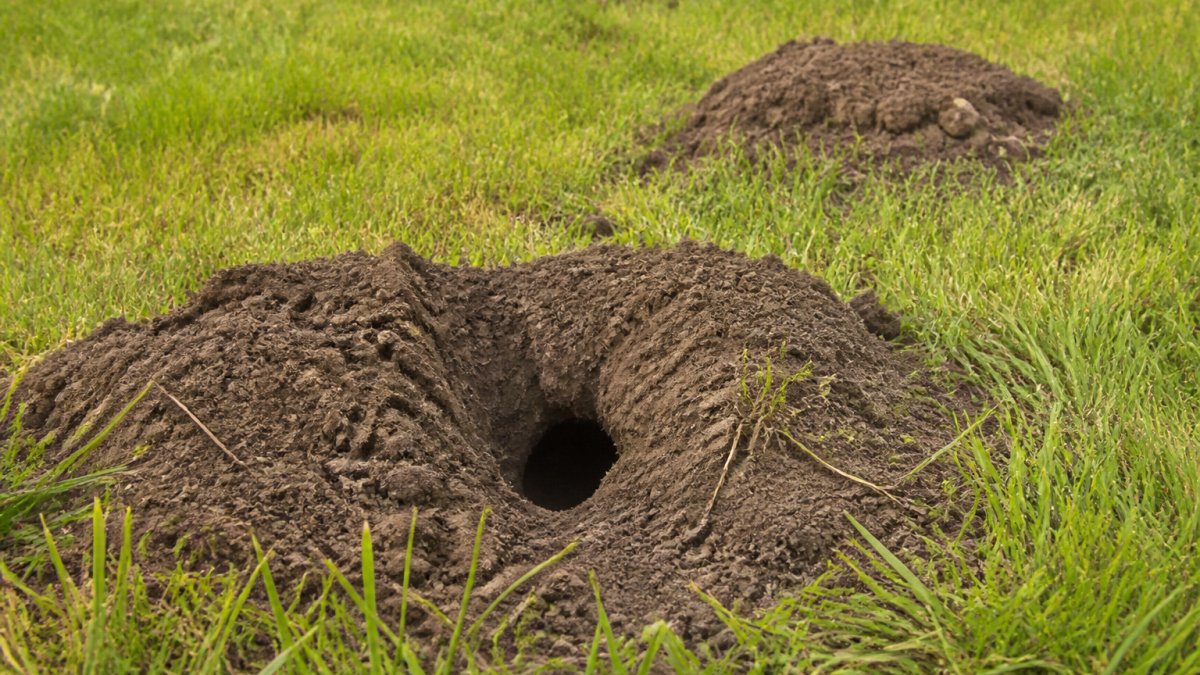
Gopher damage shows up as fan-shaped soil mounds with a plugged hole off to one side, while mole damage appears as raised surface ridges and open holes with volcano-shaped dirt piles. Gophers also eat plant roots and bulbs, whereas moles eat insects and earthworms. Checking mound shape, hole status and tunnel feel settles most identification questions.
- Gopher mounds are crescent or fan-shaped piles of fine soil with the burrow entrance plugged at the edge.
- Mole tunnels appear as raised surface ridges, and their entry holes stay open with a round volcano of dirt.
- Probe beside a mound at a shallow angle: a firm packed tube points to gopher, a hollow void to mole.
- Gophers pull plant material down from below, so damage shows up late as vanished plants and severed roots.
- Do not collapse or flood tunnels first, because it destroys the evidence you need for identification.
Table of Contents
- Gopher Damage vs. Mole Damage: The Quick Answer
- How to Identify Gopher Mounds and Fan-Shaped Soil Piles
- How to Identify Mole Tunnels and Surface Ridges
- Gopher Holes in Yard: Plugged Openings and Solid Soil Tubes
- Plant Damage and Feeding Habits: What Each Animal Targets
- A Step-by-Step Yard Inspection Method
- Look-Alikes, Seasonal Patterns, and When to Call a Professional
- Frequently Asked Questions
Gopher Damage vs. Mole Damage: The Quick Answer
Gopher damage shows up as fan-shaped soil mounds with a plugged hole off to one side, while mole damage appears as raised surface ridges and open holes with volcano-shaped dirt piles. That single difference settles most identification questions.
Here is the short version before we go deeper:
- Gophers push soil out of a diagonal tunnel, creating a crescent or fan shape. They plug the opening.
- Moles push soil straight up from shallow runs, creating round volcano mounds. Their holes stay open.
- Gophers eat plants. Moles eat insects and earthworms.
Get those three facts straight and you can identify most burrowing activity in a yard within minutes.
How to Identify Gopher Mounds and Fan-Shaped Soil Piles
Gopher mounds are crescent or fan-shaped piles of fine soil, and the burrow entrance sits plugged at the edge of the pile rather than on top of it.
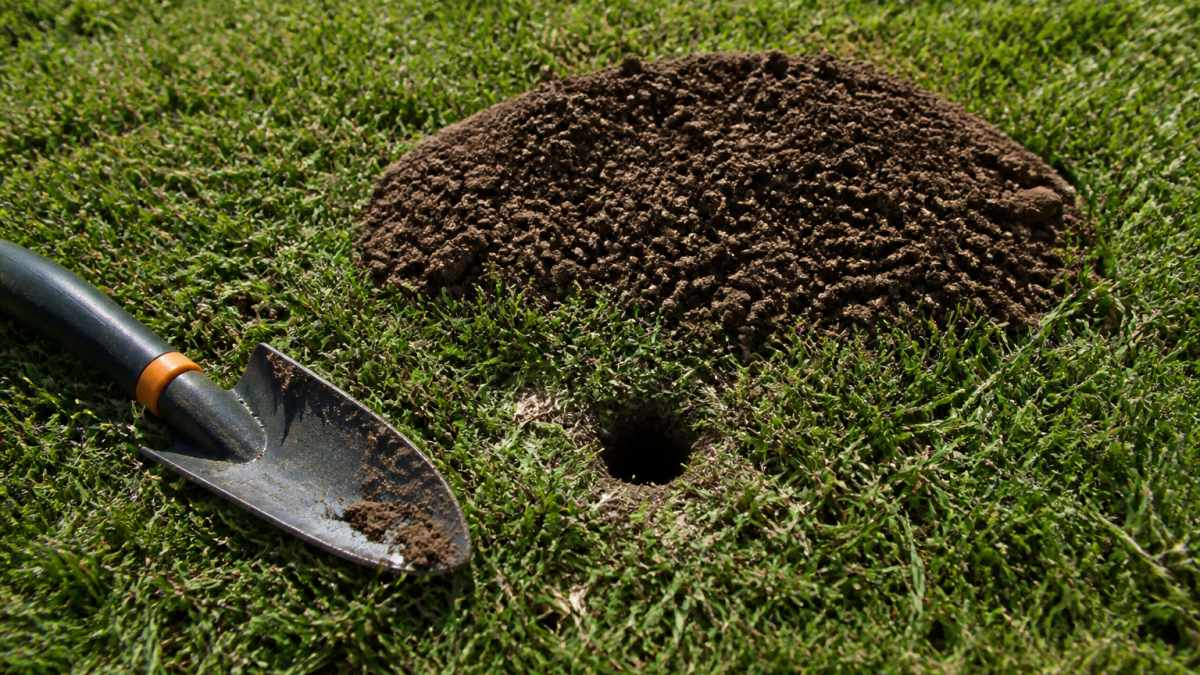
Size gives you a second clue. Gopher mounds tend to run larger than molehills, and the soil is finer and more uniform because it comes from deeper tunnels.
A few field checks to use:
- Look for a plugged opening at the edge of the fan.
- Check the soil texture: gopher dirt is soft and powdery.
- Count the mounds: gophers often leave clusters along a run.
A gopher tunnel feels firm and packed when you probe it, because the animal backfills behind itself.
How to Identify Mole Tunnels and Surface Ridges
Mole tunnels show up as raised ridges across the lawn surface, and their entry holes stay open with a round volcano of dirt around them.
How to Detect and Trap Moles and Gophers
OklahomaGardening
The mounds differ too. A mole pushes dirt straight up a vertical shaft, so the pile forms a symmetrical cone with a visible open hole in the center.
Here is how to identify mole tunnels in practice:
- Walk the lawn after rain. Soft ground makes ridges stand out.
- Press down on a ridge. Mole runs feel spongy and hollow.
- Look for open holes with no plug.
Moles are also far more active near the surface than gophers, which is why their damage shows on top of the lawn.
Gopher Holes in Yard: Plugged Openings and Solid Soil Tubes
Gopher holes in a yard almost always appear plugged, and the tunnel behind them feels like a solid soil tube when probed. This is a single reliable field test.
To check:
- Locate a fresh mound.
- Find the entrance at the edge of the fan.
- Push a thin probe into the soil beside it.
- Feel for a firm, packed tunnel about the width of your thumb.
If the probe drops easily into a void, you are likely on a mole run. If it meets resistance and then pops into a packed tube, that points to a gopher.
Plant Damage and Feeding Habits: What Each Animal Targets
Gopher damage to plants comes from eating roots, bulbs, and the base of stems, while mole damage comes from tunneling under grass and dislodging it.
Gophers are herbivores. A pocket gopher pulls plant material down into the tunnel from below, so damage happens underground and shows up late.
Moles are insectivores. They eat earthworms, grubs, and other soil insects, not your plants.
Watch for these plant-side signs:
- Gopher: plants vanish, roots are cut clean at an angle, bulbs disappear, young trees wobble because the roots below are gone.
- Mole: grass dies in strips along ridges, soil feels loose and lifted, the turf peels back easily, but the plants themselves are intact.
- Both: raised dirt in landscaping beds and along fence lines, and disturbed soil around foundations.
If your garden is losing plants but your lawn looks fine, lean toward gopher.
Judging Severity and Urgency
Not all burrowing damage needs the same response. Use this simple triage to decide what to do next:
- Cosmetic only: scattered mole ridges in an otherwise healthy lawn, with no plant loss. Rake or roll the ridges, monitor for two weeks, and treat only if new ridges keep appearing.
- Moderate: repeated gopher mounds in a garden bed, a few missing plants, or turf that is lifting along several runs. Act within a week, gophers in a bed will keep moving down the row.
- Urgent: damage reaching irrigation lines, retaining walls, foundations, or the root zones of young trees and shrubs; entire rows of vegetables or bulbs gone; or mounds appearing faster than you can flatten them. These are the cases where a professional inspection pays for itself, because the animal is working a established tunnel system and surface fixes will not stop it.
A useful rule of thumb: moles rarely threaten the plants themselves, so their damage is mostly a lawn-appearance and trip-hazard issue. Gophers threaten plants directly, so their damage compounds every week you wait.
If plant damage alone is inconclusive, go back to the mound and hole checks above, the plant signs confirm the diagnosis, but mound shape and hole status settle it.
A Step-by-Step Yard Inspection Method
Inspect a yard for burrowing pests by walking a fixed route, checking mound shape first, then hole status, then tunnel feel. A repeatable method beats random poking on larger properties.
Here is an inspection sequence to consider:
- Walk the perimeter. Note where fresh soil appears along fences, foundations, and bed edges.
- Photograph each mound. A labeled photo helps you compare shape later.
- Classify the shape. Fan or crescent means gopher. Round volcano means mole.
- Check the hole. Plugged means gopher. Open means mole.
- Probe the tunnel. Firm packed tube means gopher. Hollow void means mole.
- Inspect nearby plants. Missing plants point to gopher. Lifted turf points to mole.
- Map the pattern. Clustered mounds along a line suggest a gopher run. Wandering ridges suggest mole activity.
| Sign | Gopher | Mole |
|---|---|---|
| Mound shape | Fan or crescent | Round volcano |
| Hole status | Plugged | Open |
| Tunnel feel | Firm, packed tube | Hollow void |
| Surface ridges | Rare | Common |
| Plant damage | Eaten roots and bulbs | Lifted, dried turf |
| Diet | Plants | Insects and worms |
That table covers the whole comparison at a glance. Keep it on your phone while you walk the property.
Look-Alikes, Seasonal Patterns, and When to Call a Professional
Look-alikes and timing both complicate identification, so confirm the species before committing to a treatment plan. The mound-and-hole method works for pocket gophers and moles, but other burrowers leave signs that overlap just enough to fool a quick inspection.
The Main Look-Alikes
- Voles: narrow, worn surface runways through tall grass, clipped stems at ground level, and small open holes about the width of a golf ball. They do not build the big fan or volcano mounds. If you see runways and chewed grass but no dirt piles, think vole.
- Ground squirrels: open holes with little or no dirt pile, often in clusters near structures, fences, or open ground. The hole is typically round and about the size of a baseball, and there is no fan-shaped mound. They are active during the day, which is itself a clue.
- Pocket gophers and moles: the only two common burrowers that build real mounds, and their shapes differ, fan or crescent with a plug for gophers, round volcano with an open hole for moles.
When signs overlap, fall back on the three-part test: mound shape, hole status, and tunnel feel. If all three point the same way, you can be confident. If they conflict, you are probably looking at more than one animal, or at old sign that has been weathered.
Seasonal and Regional Patterns
Burrowing activity is not constant through the year, and the same species can look like a different problem depending on season and soil.
- Moist, workable soil: fresh mounds and ridges appear most often after rain or during cooler, wetter stretches, when digging is easy. This is when identification is most reliable because the sign is fresh.
- Dry periods: the same animals may dig deeper and leave fewer surface signs, so a quiet yard is not proof they are gone. Moles in particular may follow worms deeper as the soil dries.
- Snowmelt and frost heave: in colder regions, snowmelt can leave raised soil lines that look like mole ridges, and frost heave can push up small mounds that resemble gopher piles. Check whether the soil is loose and fresh or compacted and old before you blame an animal.
A practical habit: date your photos. A mound that looks fresh today may be two weeks old, and knowing when it appeared tells you whether the animal is still active.
When to Call a Professional
Call a professional when:
- Mounds keep appearing after you treat the area.
- Damage reaches foundations, retaining walls, or irrigation lines.
- The property is large, or you manage multiple units.
At Ekoterra Gopher Pest and Wildlife Control, we identify the animal first and then use eco-friendly methods suited to the species. That approach protects your health, family, and the environment, and it comes with guaranteed results. If you are unsure what is digging up your yard, a professional inspection can help settle it fast.
Frequently Asked Questions
What is the difference in damage between gophers and moles?
Gopher damage centers on plants: chewed roots, missing bulbs, and shrubs that pull loose from the soil, plus fan-shaped soil mounds with a plugged opening. Mole damage centers on the lawn surface: raised surface ridges, open holes, and soft ground that sinks underfoot as moles hunt earthworms and insects. Gophers also create solid soil tubes deep underground, while moles push up volcano-shaped molehills with no visible entry hole. Check what is damaged first, plants or turf, then confirm with mound shape.
How do I know if I have gophers or moles?
Start with the mounds. A gopher mound is a fan or crescent of soil with a plugged opening off to one side, and the soil feels grainy and cloddy. A molehill is a round volcano of fine, powdery soil with no opening. Next, press down on raised ridges: if they flatten easily, that points to mole surface tunnels. Finally, look at plant damage. Gophers drag plants down from below, leaving wilted tops and missing bulbs. Moles leave plants alone and target insects.
What does gopher damage look like?
Look for fan-shaped soil mounds roughly 12 to 18 inches across, each with a plugged opening. Gopher holes in a yard often appear in a line or cluster along a fence, foundation, or garden bed. Plants wilt suddenly, pull up easily with no roots, or disappear entirely, and you may find chewed roots and gnawed bulbs. Because gophers create solid soil tubes deep underground, the surface damage often looks smaller than the underground activity suggests.
Do gophers and moles make the same kind of tunnels?
No. Gopher tunnels are deeper, typically running 6 to 12 inches below the surface, and they form a closed burrow system with solid soil tubes and plugged openings. Moles dig a shallow network of surface tunnels just under the turf, plus deeper tunnels for shelter, and their runs often show as raised ridges across a lawn. Moles also leave open holes, while gophers seal theirs. That single difference, open versus plugged, is the fastest field test.
Burrowing pests rarely stop on their own, and the damage compounds with each new tunnel. If your inspection points to gophers or moles, Ekoterra Gopher Pest and Wildlife Control can confirm the species and remove it with eco-friendly methods built around guaranteed results. Our team protects your family, pets, and landscaping while keeping the process environmentally responsible. Get started with Ekoterra Gopher Pest and Wildlife Control and take back your yard.
