Last Updated: November 24, 2026
Quick Summary
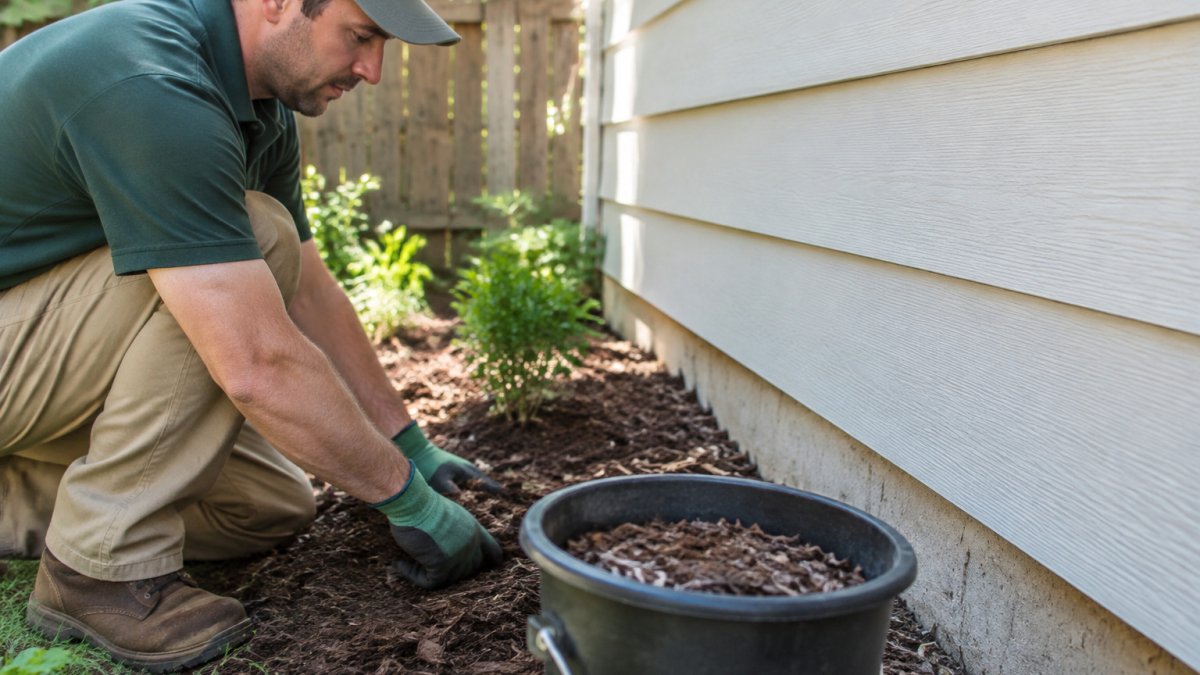
Eco-friendly termite prevention for homes starts with removing the two conditions termites need: moisture and wood contact with soil. Fix drainage and leaks, keep soil and mulch below siding, and store firewood away from the house. These steps make the home far less attractive to termites before any product is used.
- Fix standing water, leaky pipes, and poor drainage near the foundation first.
- Keep wood, firewood, and lumber off the ground and away from the house.
- Clear mulch, leaves, and debris away from the foundation each spring.
- Check crawl spaces and under sinks for dampness, and repair leaking pipes each winter.
- Physical barriers and construction-stage protection work best before walls go up.
Table of Contents
- Termite Prevention Tips for Homeowners, Season by Season
- Signs of Termites in a House and a Home Inspection Checklist
- Termite Barriers for Homes: Physical, Borate and Construction-Stage Options
- Termite Bait Systems and How They Compare With Natural Remedies
- Booking a Termite Inspection in Southern California: Next Steps
- Frequently Asked Questions
Termites are one of the most expensive threats to a Southern California home, and many owners do not notice them until the damage is well along. Ekoterra Gopher Pest and Wildlife Control works with homeowners across Ventura, Los Angeles, and Santa Barbara Counties. Effective eco-friendly termite prevention for homes begins with two basic conditions: moisture and wood contact with soil. Control those, and you make the home far less attractive to termites before any product touches the house.
Subterranean termites need moisture to survive (Termites?). They travel through soil and mud tubes to reach wood, so standing water, leaky pipes, and poor drainage near the foundation all work in their favor. Wood that touches the ground gives them a direct path into the structure. Start by fixing drainage, repairing leaks, and keeping soil and mulch a safe distance below siding and wood framing.
Termite prevention is a habit, not a single treatment. Preventive steps are most useful when they are repeated over time, and the sections below walk through what to check each season, how to spot early signs, and when natural options make sense.
Watch out: piling firewood or lumber against the house creates a moist, dark bridge straight to the wood. Store it away from the structure and off the ground.
Termite Prevention Tips for Homeowners, Season by Season
Prevention works best when it follows a routine. A simple seasonal checklist keeps small problems from turning into costly repairs.
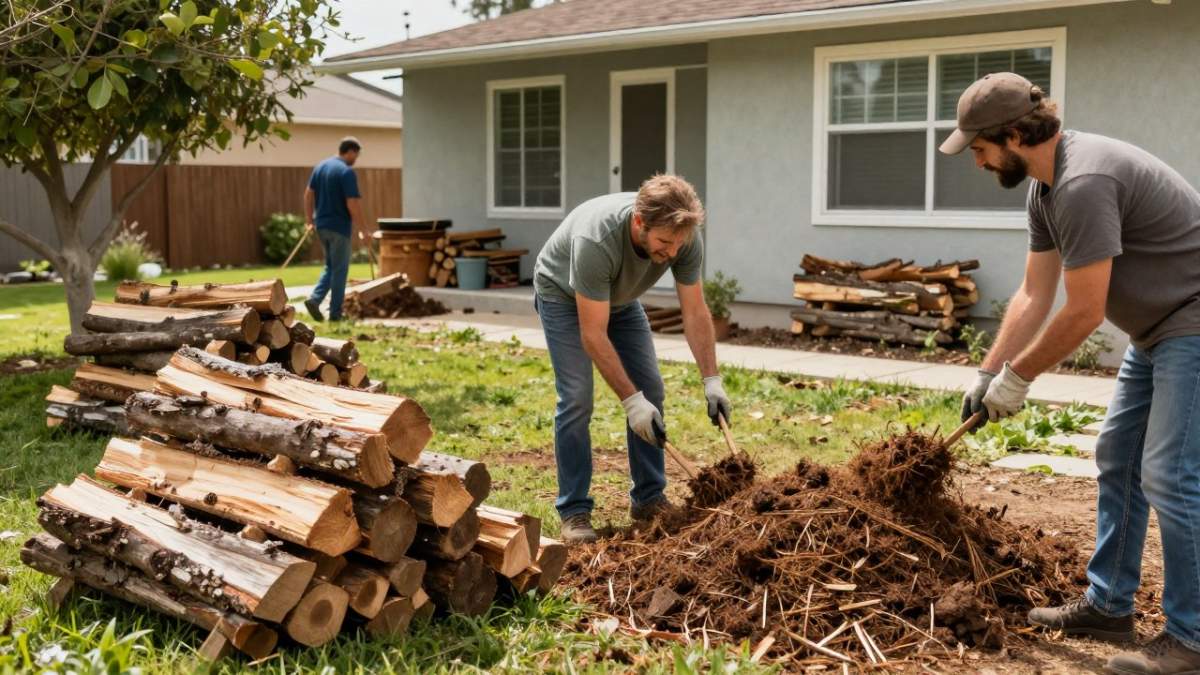
- Spring: Clear mulch, leaves, and debris away from the foundation. Check that soil sits below the siding.
- Summer: Look for hose bibs, sprinklers, and gutters that spray or overflow near the house.
- Fall: Clean gutters, move firewood away from the structure, and seal cracks in the foundation.
- Winter: Check crawl spaces and under sinks for dampness, and repair any leaking pipes.
A homeowner in work gloves clearing mulch and firewood piles away from the foundation is doing the most useful work of the year. Review these tasks at least twice a year, and more often after heavy rain.
Signs of Termites in a House and a Home Inspection Checklist
Early signs are easy to miss, and the type of sign you find often tells you which termite you are dealing with. Subterranean termites usually announce themselves with mud tubes and soft, damaged wood near the soil line. Drywood termites leave dry, six-sided pellets (frass) that pile up below small kick-out holes, and they can infest framing, furniture, and trim far from the ground. Dampwood termites show up in wood that stays wet, leaky framing, poorly ventilated crawl spaces, and exterior trim near sprinklers, and their damage tends to look soft and spongy rather than hollow. Because dampwood activity points to moisture problems while mud tubes and frass reveal different routes of entry, Doctor Damp Ventilation can help connect careful inspection with prevention that protects both the building and its materials.
Run this walk-around at least twice a year, and again after heavy rain or any plumbing leak. Work from the outside in, and bring a flashlight and a flathead screwdriver to probe suspect wood.
Exterior and foundation
- Mud tubes on foundation walls, piers, sill plates, and crawl space walls, break a small section open and check whether it is rebuilt within a few days; live tubes are repaired, abandoned ones are not.
- Soil or mulch piled above the siding, stucco weep screed, or the top of the foundation, a classic conducive condition.
- Wood-to-ground contact: fence posts, deck stairs, trellises, and siding that touch soil.
- Sprinklers, downspouts, and hose bibs that wet the foundation or siding.
- Cracks in the slab or foundation, and gaps where utility lines enter.
- Firewood, lumber, or cardboard stored against the house or on the ground.
Crawl space and basement
- Damp soil, standing water, or condensation on joists and subfloor.
- Mud tubes running up piers and foundation walls.
- Wood that sounds hollow when tapped or gives under a screwdriver.
- Frass pellets or shed wings on the floor or on stored items.
Living areas, room by room
- Baseboards, door frames, and window trim that are swollen, sagging, or bubbling, bubbling paint over wood is a common subterranean sign.
- Doors and windows that suddenly stick or no longer latch, which can indicate moisture or hidden damage in the framing.
- Small pinholes in drywall, wood, or trim with pellets below them (drywood termites).
- Shed wings near windows, light fixtures, and sliding doors, swarmers often drop wings indoors after emerging.
- Hollow-sounding floors, soft spots, and squeaks that were not there before.
- Under sinks and around dishwashers, washing machines, and water heaters for leaks that keep wood wet.
Attic and roof
- Frass pellets or galleries in roof framing, rafters, and fascia.
- Shed wings on windowsills or in cobwebs near roof vents.
- Stained or soft roof sheathing from a leak that is feeding dampwood termites.
What each sign means
- Mud tubes and bubbling paint point to subterranean termites and warrant a professional inspection promptly.
- Pellets and kick-out holes point to drywood termites, which often need targeted treatment rather than soil work.
- Soft, wet wood and swarmers near plumbing or roof leaks point to dampwood termites; fixing the moisture is the first step.
- Shed wings alone are ambiguous, swarmers of several species look similar, so have the insect identified rather than guessing. If the signs you are seeing point to animals rather than insects, learn how to spot rodent activity hidden inside wall cavities.
Watch out: probing with a screwdriver can damage trim and finished surfaces, and poking at an active mud tube can disturb evidence an inspector needs, photograph what you find before you touch it, and leave structural probing to a licensed inspector. If you have found droppings during your walk-through, see how to clean up rodent droppings safely before you disturb them.
If you find any of these signs, a licensed inspector should confirm the cause. A qualified professional can separate termite damage from moisture damage, which matters for choosing the right fix.
Termite Barriers for Homes: Physical, Borate and Construction-Stage Options
Barriers stop termites from reaching the structure in the first place, and the right choice depends on whether you are building, retrofitting, or treating existing wood. Barrier methods are preventive, they protect wood and block access, rather than curative.
Physical barriers. Stainless steel mesh and sand-based systems are installed at the foundation during construction, before the slab or crawl space is closed up. Mesh blocks termites at gaps and penetrations; sand systems rely on particles too large for termites to move and too heavy to push aside.
Borate wood treatments. Borates are mineral-based wood protectants applied to lumber, exposed framing, and trim. They work by soaking into the wood and making it less attractive to termites.
Construction-stage protection. The most effective window is before the walls go up, when soil can be treated and barriers installed around the full footprint.
Soil treatments and pesticide alternatives. Conventional liquid soil treatments create a treated zone around the foundation that termites must cross. Lower-impact options include botanical and biological products, but their residual life is generally shorter and results vary with soil type, moisture, and application.
Choosing by termite type and severity. Subterranean termites come from soil colonies, so soil barriers, bait stations, and moisture control are the relevant tools. Drywood termites live inside the wood and are not stopped by soil barriers, borate treatment of accessible wood, targeted local treatment, and fumigation for heavy infestations are the usual paths.
Cost and long-term value. Physical barriers and construction-stage work generally carry higher upfront costs but lower maintenance over the life of the home, while bait systems and liquid soil treatments typically involve recurring monitoring or retreatment.
Watch out: a barrier installed with gaps at pipe penetrations or slab edges gives homeowners false confidence, ask for the installation details and any warranty terms in writing before you rely on it.
The article compares the main barrier options and where each one fits.
| Option | Best for | Key difference |
|---|---|---|
| Physical barriers (mesh, sand) | New construction | Long-lived, low maintenance; hard to retrofit |
| Borate wood treatment | Lumber and exposed framing | Protects treated wood, not the whole house |
| Construction-stage protection | Building or major additions | Most effective before walls go up |
| Liquid soil treatment | Existing foundations | Shorter residual life; retreatment needed |
| Botanical or biological products | Lower-impact soil use | Residual life varies with soil and moisture |
Termite Bait Systems and How They Compare With Natural Remedies
Bait systems place slow-acting stations in the soil around a home. Workers carry bait back to the colony, which can reduce the population over time. Bait systems are a different approach from barriers and natural treatments. They work by monitoring and reducing colonies rather than blocking wood access, so many homeowners combine a barrier with monitoring for the best protection.
Limits and Safety of Essential Oils, Vinegar and Other Home Remedies
Essential oils, vinegar, and similar home remedies are sometimes promoted for termites, but they are not a reliable substitute for professional treatment. To see what results to expect from natural pest sprays in practice, read what these products can and cannot do. Essential oils can also irritate skin and pets, and they should be used with care around children and animals. Treat home remedies as a supplement to moisture control and barriers, not a substitute for a professional inspection.
Booking a Termite Inspection in Southern California: Next Steps
If you see signs of termites, or you simply want a baseline, schedule an inspection before the damage grows. Ask whether the inspector is licensed, what method they recommend, and how they will protect your family and pets. For a closer look at verifying credentials before you hire, read our guide to checking pest control certification. Ekoterra Gopher Pest and Wildlife Control offers eco-friendly pest and wildlife management across Ventura, Los Angeles, and Santa Barbara Counties, and you can request an inspection through our website to get started.
Frequently Asked Questions
How can I prevent termites naturally?
Natural termite prevention centers on keeping wood dry and out of contact with soil. Fix leaks and standing water, improve drainage around the foundation, store firewood off the ground and away from the house, and seal cracks and gaps where termites can enter. Keep wood mulch a safe distance from the foundation and trim shrubs so they do not touch the walls. Scheduled inspections help you catch early activity, and a professional can advise on borate wood treatments or barriers suited to your property.
Are termite bait systems considered eco-friendly?
Termite bait systems are generally considered lower-impact than broadcast soil termiticides because they place small amounts of slow-acting insecticide in stations around the property rather than across the whole structure. They still contain active ingredients, so they are not chemical-free. Bait systems work by letting worker termites carry bait back to the colony, and they require ongoing monitoring by a trained technician. Ask a provider which active ingredients they use and how they handle the stations.
Do mulch and wood piles attract termites?
Yes, mulch and wood piles can attract subterranean termites because they hold moisture and provide food close to the foundation. Termites can move from these materials into the home if wood-to-soil contact exists. Keep mulch several inches away from the foundation, avoid stacking firewood against the house, and remove old wood debris from the yard. Regular inspection of areas near the foundation helps catch any activity early.
When should I call a professional for termite prevention?
Call a licensed pest control professional if you see mud tubes on foundation walls, discarded wings near windows, hollow-sounding or damaged wood, or blistered paint and sagging floors. Professional help is also worth considering for an annual inspection, for pre-purchase evaluations, or when your home has a history of infestation. A qualified provider can identify the termite type, recommend the right combination of barriers, baits or treatments, and explain the limits of each method.
