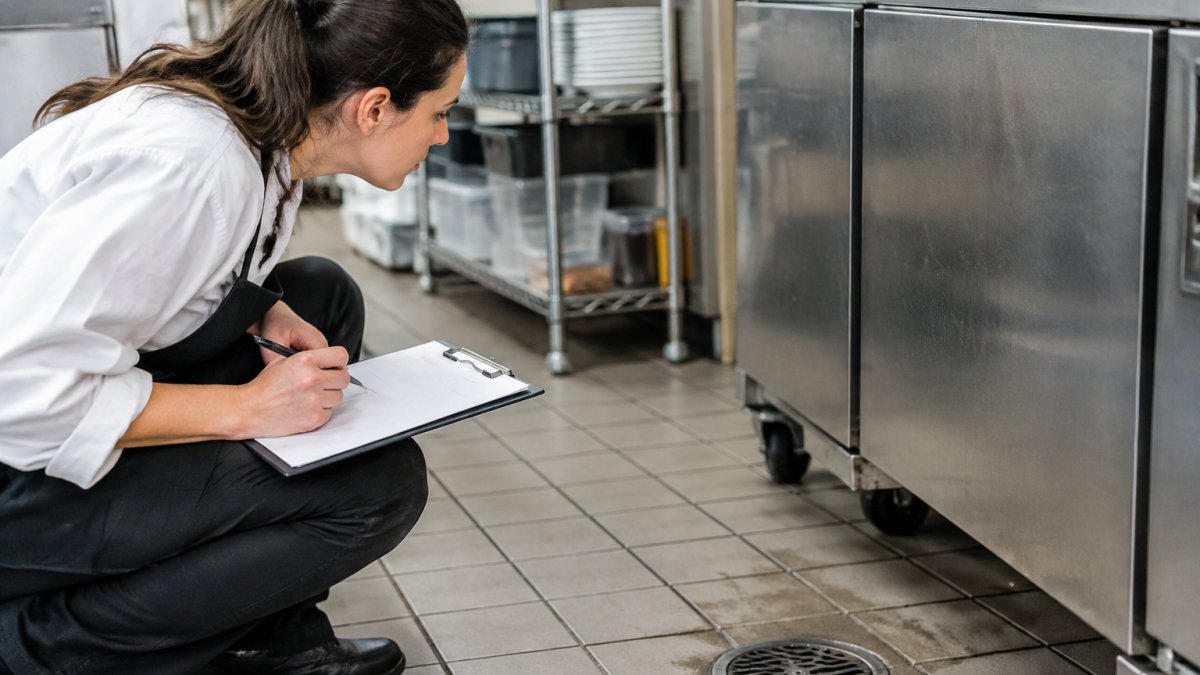
Last Updated: November 12, 2026
Quick Summary
A restaurant pest sighting reporting procedure is a written, step-by-step process that tells every employee how to respond when a pest is seen. It requires immediate containment of exposed food, reporting to the manager, and logging the date, time, and location. Every entry should be investigated, corrected, and verified before it is closed.
- Write the sighting down before the shift ends, because verbal reports fade quickly.
- Protect exposed food and food-contact surfaces before anyone cleans up the evidence.
- Record the date, time, exact location, and the person who reported each sighting.
- Do not close an incident until a follow-up inspection shows no new activity.
Table of Contents
- How to Handle a Pest Sighting in a Restaurant: Immediate Actions
- Step-by-Step Restaurant Pest Sighting Reporting Procedure
- Restaurant Pest Sighting Log Template and Required Details
- Restaurant Pest Control Checklist for Staff and Managers
- Regulatory Compliance and Documentation Standards in California
- Restaurant Pest Sighting Reporting Procedures Template and Incident Closure
- Scheduling Your Next Pest Inspection With Ekoterra
- Frequently Asked Questions
A single pest sighting in a dining room can cost a restaurant far more than the cleanup. A pest sighting can quickly become a health code problem when nobody writes it down. A written reporting procedure turns a panicked moment into a clear, repeatable process that protects guests, food, and your reputation.
Many restaurants rely on memory and verbal updates. That works until a shift changes, a manager is out, or an inspector asks for records. A written procedure makes sure every sighting gets logged, reviewed, and closed.
Here is what a good procedure does:
- Gives every employee the same steps to follow
- Creates a dated paper trail for inspectors
- Helps managers spot repeat problems early
- Shows that the kitchen takes pest activity seriously
Watch out: Verbal reports fade quickly. Write the sighting down before the shift ends.
How to Handle a Pest Sighting in a Restaurant: Immediate Actions
When a staff member spots a pest, the first minutes matter most. Stay calm and act in order. Quick containment keeps exposed food and food-contact surfaces safe while you get the manager involved.
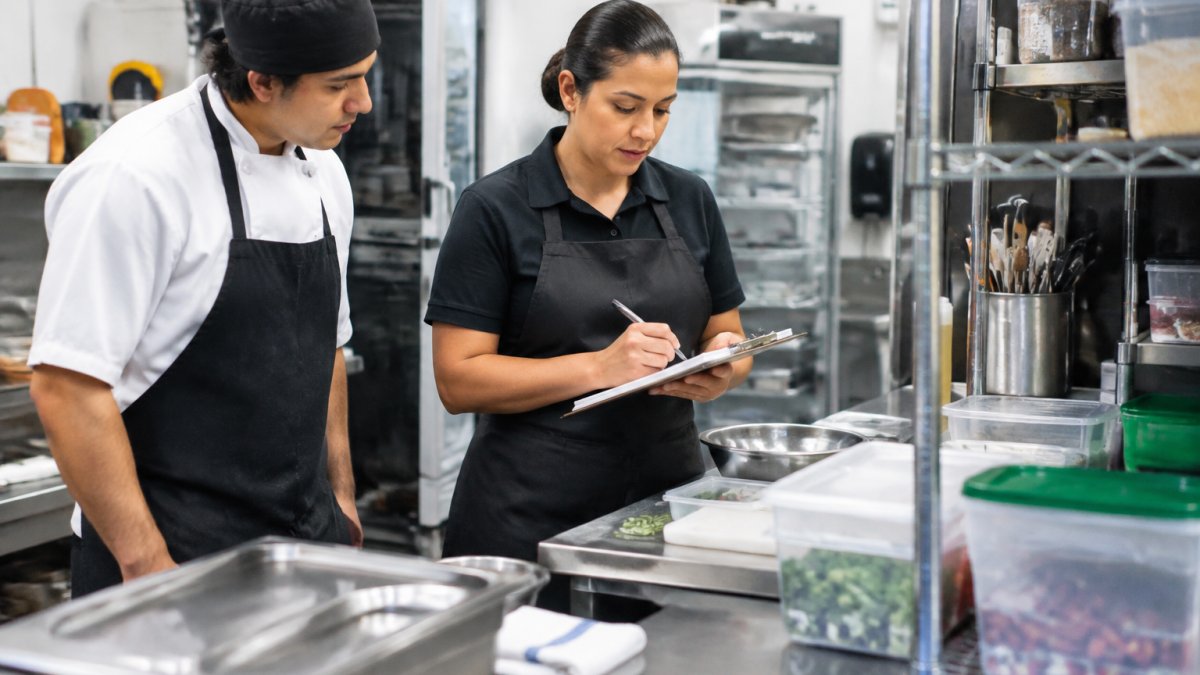
Follow these immediate steps: Compare restaurant cockroach treatment options if roaches are involved.
- Remove exposed food from the affected area
- Cover or move food-contact surfaces away from the sighting
- Block the area off from guests and other staff
- Notify the manager or responsible supervisor right away
- Take a photo of the pest if it is safe to do so
Do not try to clean up the evidence before the manager sees it. A photo and a note about location make the report far more useful later.
Step-by-Step Restaurant Pest Sighting Reporting Procedure
A clear reporting workflow keeps every sighting on the same track. Use these steps every time, whether the pest is a fly or a rodent.
- Staff member reports the sighting to the manager immediately
- Record the date, time, and exact location of the sighting
- Identify the pest and note signs of activity such as droppings or gnaw marks
- Protect exposed food and food-contact surfaces
- Contain the affected area until the manager clears it
- Investigate the likely source and nearby risk areas like entry points, drains, and storage
- Review cleaning and sanitation practices in the area
- Contact your pest management professional for service
- Record corrective actions and schedule a follow-up check
Escalation Rules by Pest, Location, and Severity
Not every sighting needs the same response. Set escalation rules in advance so staff know when to call the pest management professional right away. For example, a rodent in the kitchen typically calls for prompt professional attention, while a single fly near a trash bin may only need a cleaning review and monitoring.
Write your rules down by pest type, by location (dining room, kitchen, storage, or exterior), and by severity (single sighting or recurring activity).
Restaurant Pest Sighting Log Template and Required Details
A sighting log is the core record inspectors and managers will check first. Keep it in a shared spot and update it every time something is seen. Use this template:
Pest Sighting Log
- Date and time:
- Reported by (name and role):
- Location in the restaurant:
- Pest type or description:
- Signs of activity observed:
- Photo taken? (yes/no):
- Exposed food or surfaces protected? (yes/no, what was done):
- Manager notified (name, time):
- Pest management professional contacted (date):
- Corrective actions taken:
- Follow-up inspection date:
- Closed by and date:
Required details should always include the date, time, location, and the person who reported it. Without these, the log loses most of its value.
Restaurant Pest Control Checklist for Staff and Managers
Use this checklist during opening, mid-shift, and closing. It keeps prevention routine instead of reactive. For the fuller picture on service frequency and passing inspections, read the commercial pest control guide for restaurants.
- Check dry storage and walk-in cooler for droppings or damage
- Inspect delivery packaging for holes or signs of pests
- Confirm drains are covered and cleaned
- Look for gaps around doors, pipes, and vents
- Empty and clean trash areas
- Review the sighting log for open items
- Confirm staff know how to report a sighting
Assign one person per shift to own the checklist. Shared responsibility often means no one completes it.
Regulatory Compliance and Documentation Standards in California
Pest records are one of the first things a health inspector asks to see, and the response should be a documented system rather than a folder of loose service invoices. Health codes for food service establishments treat pests as a food-safety issue. Because adoption and local amendments vary, confirm the specific requirements with your local environmental health office rather than assuming one rule fits every jurisdiction. Before signing with a provider, review the restaurant pest control contract terms to review.
A defensible documentation set usually includes four parts:
- Pest management service reports from your provider, including findings, treatments, and recommendations
- Your internal sighting log with dates, times, locations, and the person who reported each entry
- Corrective action records showing what was cleaned, repaired, or discarded and when
- Staff training records showing employees were trained on the reporting procedure
Keep these together and retrievable during an inspection. Many restaurants store the current log together with recent service reports in one binder or shared digital folder.
Food-safety response belongs in the same procedure. When a sighting occurs near exposed food or a food-contact surface, the person in charge should decide whether the affected food can be protected, re-covered, or must be discarded. Document that decision in the log, including what was discarded and why. Do not leave the decision to the employee who saw the pest.
Corrective actions should be written as completed facts, not intentions. "Called pest control, service scheduled" is weaker than "Pest control serviced on [date], sealed gap under back door, no new activity at follow-up."
Watch out: Local requirements differ by county and can change, so a procedure copied from another restaurant or another state may not satisfy your local environmental health office. Verify your log fields, retention period, and service-report requirements with your local office and update the procedure when the rules change.
Restaurant Pest Sighting Reporting Procedures Template and Incident Closure
An incident is not closed until someone verifies the problem is gone. Closure should be a deliberate step, not a guess.
Before closing an entry, confirm the following:
- The source was identified and addressed
- Cleaning and sanitation corrections are complete
- A follow-up inspection shows no new activity
- The manager signed and dated the closure
Keep the closed entry on file. Patterns across closed entries often reveal problems that single reports miss.
Scheduling Your Next Pest Inspection With Ekoterra
A written procedure works best when your pest management partner knows your kitchen. Ekoterra Gopher Pest and Wildlife Control can review your current log, inspect problem areas, and set a service schedule that fits your restaurant. schedule a restaurant pest inspection to start with a full review of your reporting workflow.
Frequently Asked Questions
What should restaurant staff do after spotting a pest?
Staff should stop the activity in that area, cover or move exposed food and food-contact surfaces, and notify the manager on duty immediately. They should not attempt to handle the pest themselves or use over-the-counter products near food. The manager then records the sighting, isolates the affected area if needed, and decides whether service must pause. Quick, documented action helps protect guests and keeps the response consistent across shifts and locations.
How should a restaurant document a pest sighting?
Document each sighting in a written or digital log that records the date, time, exact location, pest type or a clear description, the staff member who observed it, photographs if safe to take, and the actions taken. Record follow-up steps, the person responsible for each, and the date the issue was verified as resolved. Consistent entries make trends visible and give inspectors and your pest control provider a clear history to work from.
Who should staff notify about a pest sighting?
Notify the manager on duty first, then the responsible supervisor or owner if the sighting is severe, recurring, or involves a food-contact area. Your pest management provider should be contacted for active infestations or signs of harborage. Restaurant policy should name these roles in advance so no one has to guess during service.
Should a restaurant close after a pest is spotted?
Not every sighting requires closing. A single pest in a back-of-house area may be handled by isolating the zone, cleaning, and arranging service. A large or active infestation, or pests contaminating food, usually calls for pausing service in the affected area or the whole kitchen until a professional inspection and corrective action are complete. Your escalation rules should define these thresholds before an incident occurs.
