Last Updated: November 14, 2026
Quick Summary
Winter is generally the best season for mole removal surgery in the United States, because lower sun exposure makes the healing scar easier to protect. However, a mole that is changing should be evaluated promptly regardless of the season, since waiting for a better time can delay an important diagnosis.
- Sun exposure during healing can cause darker or uneven scars, so lower-UV seasons are often preferred.
- Summer adds sun, heat, sweat, and swimming restrictions, making the healing period hardest to manage.
- Winter is not automatically easier; dry indoor heating and holiday schedules can complicate recovery.
- Spring procedures benefit from being scheduled early, before UV levels rise significantly.
- A mole that is growing, changing color, or bleeding should be evaluated now, not after a better season.
Table of Contents
- Why Timing Matters for Mole Removal Surgery
- Is Winter the Best Season for Mole Removal Surgery?
- Spring and Fall Mole Removal: Trade-Offs and Sun Exposure
- Summer Mole Removal Surgery: Sun Protection and Scarring Risks
- Mole Removal Recovery Time by Season
- Mole Removal Aftercare Requirements Through the Year
- When to See a Dermatologist for a Changing Mole Instead of Waiting
- Scheduling Your Mole Removal Surgery and Next Steps
- Frequently Asked Questions
Why Timing Matters for Mole Removal Surgery
Choosing the right season for mole removal surgery can affect how smoothly your skin heals and how well the scar fades. For most people in the United States, the best time is a season with less direct sun exposure, but the right answer depends on the mole itself and your health. Our guide on the best time of year to remove moles explains how season and sun exposure affect timing. A mole should never be put off just to fit a calendar.
Sun is the main reason timing matters. Fresh skin is sensitive to ultraviolet light, and sun exposure during healing can lead to darker or uneven scars. The American Academy of Dermatology recommends daily sunscreen and protective clothing, which becomes harder to manage in peak summer months. American Academy of Dermatology sun protection guidance
Timing also matters for medical reasons. A mole that is changing in size, shape, or color should be evaluated by a clinician, regardless of the season. Waiting for a favorable time of year can delay a diagnosis that matters more than a cosmetic result.
Is Winter the Best Season for Mole Removal Surgery?
Winter is often considered a convenient season for mole removal, since shorter days and cooler weather can mean less time outdoors and easier sun protection.
That said, winter is not automatically the best choice. Dry indoor heating can slow skin recovery for some people, and holiday schedules can make follow-up visits harder to keep. A dermatologist can help you weigh these factors against the specifics of your mole and your health history.
Spring and Fall Mole Removal: Trade-Offs and Sun Exposure
Spring and fall are transitional seasons with moderate sun. Sunlight is still meaningful in spring as UV levels rise, while fall often brings a gradual drop in intensity. Both seasons can work well for mole removal if you commit to consistent sun protection during healing.
The trade-off is that sun exposure often increases quickly in spring. Planning a procedure early in the season gives skin more time to heal before peak sun arrives.
Summer Mole Removal Surgery: Sun Protection and Scarring Risks
Summer is often considered a challenging season for mole removal. Long daylight hours, higher UV exposure, and more time spent outdoors all increase the chance of hyperpigmentation or visible scarring during healing. Sweating and swimming can also irritate a healing wound.
If surgery must happen in summer, plan strict sun protection. Keep the area covered, use a broad-spectrum sunscreen with an SPF of 30 or higher once the wound has closed, and avoid pools and beaches until your provider clears you. Many people also find it helps to schedule the procedure early in the week so they have time to rest before any activity.
Mole Removal Recovery Time by Season
Recovery time is driven first by the procedure and the individual, and second by the season. A shave removal of a flat or raised mole typically forms a scab within a few days and looks healed in about one to two weeks.
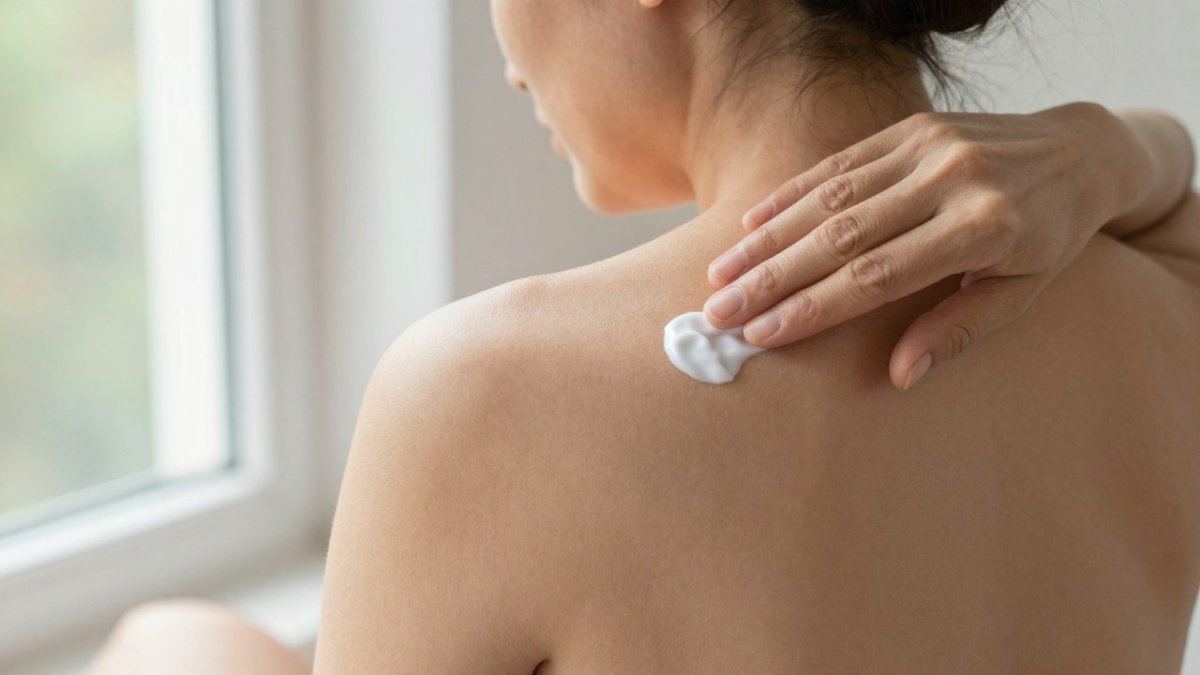
The table below summarizes the practical differences most dermatology practices describe. Treat the day ranges as typical patterns, not promises, and confirm your own timeline with your provider.
| Season | Typical healing environment | Main risk to the scar | Practical recovery window |
|---|---|---|---|
| Winter | Low UV index, short daylight, more clothing coverage | Dry indoor air, holiday scheduling conflicts | Often the smoothest; most patients report the wound is easy to keep covered and out of the sun |
| Spring | Rising UV index, moderate temperatures | Increasing sun exposure as the season progresses | Manageable if the procedure is scheduled early in the season |
| Summer | High UV index, long daylight, heat and sweat | Hyperpigmentation, wound irritation from sweat and swimming | Longest in practice because sun and activity limits are hardest to maintain |
| Fall | Falling UV index, moderate temperatures | Residual sun exposure early in the season | Manageable, similar to spring but with declining UV |
Why summer tends to stretch the timeline. Ultraviolet light stimulates melanocytes in healing skin, which is the mechanism behind post-inflammatory hyperpigmentation, a dark, flat mark that can persist for months after the wound itself has closed.
Why winter is not automatically easier. Indoor heating lowers humidity, which can make the healing area feel drier. Holiday travel and office closures can make it harder to keep a follow-up appointment or reach the office if a stitch line looks irritated.
A note on geography. UV index varies widely across the country.
Returning to specific activities by season. This is where the season affects recovery most in daily life:
- Swimming and bathing: No pools, hot tubs, lakes, or ocean until the wound is fully closed and your provider clears you. In summer this is the biggest practical cost of scheduling; in winter it is rarely a hardship.
- Contact sports and gym: Avoid friction and heavy sweating on the site until the wound is closed and the provider approves. Winter schedules make it easier to pause; summer sports seasons make it harder.
- Outdoor work and gardening: High-UV seasons require covering the site and reapplying sunscreen once cleared. Winter reduces this burden substantially.
- Travel: Flying soon after excision is generally fine once the wound is stable, but plan around follow-up visits and dressing changes.
Watch out: a scar that looks darker a few weeks after surgery is often post-inflammatory hyperpigmentation rather than a poor surgical result, and it is far easier to prevent with sun protection than to treat after it develops.
These are general patterns. Your dermatologist will give you a timeline based on the mole, the method, the location on your body, and your own healing history.
Mole Removal Aftercare Requirements Through the Year
Aftercare looks similar in every season, but the emphasis shifts. In winter, focus on keeping the wound moisturized, since indoor heating can dry the skin. In spring, summer, and early fall, consistent sun protection becomes the top priority. Keep the healing area covered when outdoors, and apply sunscreen once the wound has closed.
Typical aftercare includes keeping the area clean, following your provider's instructions on dressings, avoiding picking at scabs, and watching for signs of infection such as increasing redness, swelling, warmth, or drainage. Contact your provider promptly if you notice any of these.
When to See a Dermatologist for a Changing Mole Instead of Waiting
Do not wait for the right season if a mole is changing. A mole that grows, changes color, becomes asymmetrical, has irregular borders, or bleeds or itches should be evaluated promptly. These can be signs of melanoma, and early evaluation makes a meaningful difference.
Use the ABCDE guide as a starting point: Asymmetry, Border irregularity, Color variation, Diameter greater than about 6 millimeters, and Evolution over time (Signs and Symptoms of Melanoma Skin Cancer). The American Cancer Society provides more detail on warning signs. American Cancer Society melanoma warning signs If any of these apply, schedule a visit now rather than waiting for a more convenient time of year.
Scheduling Your Mole Removal Surgery and Next Steps
Scheduling is where the seasonal question meets the insurance question, and the two are more connected than most guides admit. Before you pick a month, find out which category your removal falls into, because that determines how much flexibility you actually have.
Medically necessary versus cosmetic. Coverage for mole removal often depends on whether the removal is medically necessary, such as when a mole is suspicious for skin cancer or is symptomatic. Removal purely for appearance is commonly treated as cosmetic. Confirm specifics with your insurer.
What this means for timing. If the mole is being removed because it is changing or suspicious, do not delay for a better season. The diagnostic question outranks the cosmetic calendar, and most dermatologists will say so directly.
A practical scheduling sequence:
- Book a consultation with a board-certified dermatologist. Ask whether the mole should be evaluated with dermoscopy and whether a biopsy or excision is planned.
- Confirm the billing category before scheduling the procedure. Ask how the visit and the removal will be coded, whether pathology is included, and what your plan's deductible and coinsurance will mean for your out-of-pocket cost.
- Ask about the method and the recovery window. Shave removal and excision have different aftercare and different return-to-activity timelines.
- Choose the season around aftercare, not around convenience alone. If the removal is cosmetic, a lower-UV season reduces the sun-protection burden during the weeks when the scar is most vulnerable.
- Block the recovery window on your calendar. Include follow-up visits, suture removal if applicable, and the period you need to stay out of pools and off the field.
- Plan sun protection before the procedure, not after. Have broad-spectrum sunscreen with an SPF of 30 or higher, hats, and clothing that covers the site ready in advance.
Questions worth asking the billing office. Will this be submitted as a medical or cosmetic claim? Is prior authorization needed? What is the patient responsibility if the claim is denied? Is pathology billed separately?
If cost is the deciding factor. Ask your provider for an estimate of your out-of-pocket responsibility before you commit to a date.
If you have questions about the right timing for your situation, a qualified dermatologist can give you a clear answer, and the billing office can tell you what it will cost.
Ekoterra Gopher Pest and Wildlife Control provides eco-friendly pest and wildlife management across Ventura, Los Angeles, and Santa Barbara Counties. Our team is committed to protecting your family and property with reliable, guaranteed service.
Frequently Asked Questions
When is the best time of year to get rid of moles?
Fall and winter are generally the most practical seasons for mole removal surgery in the United States, mainly because the skin is less exposed to strong sun during healing. Cooler months make it easier to keep the treated area covered and out of direct UV light, which lowers the risk of hyperpigmentation and visible scarring. Spring is also workable if you can protect the site carefully. Summer is possible, but it requires strict sun protection for several months. Your dermatologist can recommend the timing that fits your mole type and your healing needs.
How long does it take to heal from mole removal surgery?
Most small mole removals heal on the surface within one to two weeks, though the site can remain pink or slightly raised for several weeks. If stitches are used, they are typically removed in about seven to fourteen days, depending on the location on the body. Full remodeling of the scar can take six months to a year. Healing time varies with the size and depth of the removal, your age, and how well you follow aftercare. Recovery is often slower on areas that move frequently, such as the joints or the trunk.
How should I protect a mole removal scar from the sun?
Keep the healing site covered or shaded whenever you are outdoors, and apply a broad-spectrum sunscreen with an SPF of 30 or higher once the wound has closed. UV exposure can cause a healing scar to darken permanently, so sun protection should continue for at least a year after surgery. A wide-brimmed hat, long sleeves, and sunscreen on exposed skin are practical steps. Ask your dermatologist when it is safe to start applying sunscreen directly to the scar, since this depends on how well the wound has closed.
Should I have a changing mole removed as soon as possible?
Yes, a mole that changes in size, shape, color, or texture, or that bleeds, itches, or becomes painful, should be evaluated by a dermatologist promptly. These changes can signal melanoma, and early evaluation makes treatment simpler. A dermatologist may perform a biopsy and send the sample to a pathology lab to check for cancer. Waiting for a better season is not a reason to delay evaluation of a suspicious mole. Seasonal timing matters for cosmetic or benign removals, but not for a mole that raises concern.
