Last Updated: October 28, 2026
Quick Summary
There is no single best month to remove moles, since the procedure can be done any time of year. Fall and winter are often preferred because lower sun exposure helps the treated skin heal with less darkening, but a changing or suspicious mole should be evaluated promptly regardless of season.
- Sun exposure during healing matters more than the calendar month.
- UV can still be high on cool, clear days and reflects off snow and water.
- Protect the healing site with broad-spectrum sunscreen, SPF 30 or higher, for several months.
- Avoid swimming and soaking until the wound has fully closed.
- Mole changes, bleeding or itching warrant prompt dermatologist evaluation, not waiting for a season.
Table of Contents
- When a Mole Should Not Wait for the Right Season
- The ABCDE Warning Signs That Call for Prompt Evaluation
- How Seasonal Sun Exposure Affects Healing and Scarring
- Mole Removal Recovery Time and What to Expect Afterward
- Mole Removal Aftercare: Protecting Healing Skin Year-Round
- When to See a Dermatologist About a Mole Before Scheduling Removal
- Frequently Asked Questions
Most people who want to remove moles ask the same question: is there a best month to do it?
Here is the core point. A mole removal is a minor procedure, and it can be done in any month of the year. Your dermatologist will rarely tell you to wait for a particular season.
If a mole worries you, do not let the calendar drive the decision. American Academy of Dermatology guidance on mole evaluation recommends having any changing or suspicious mole checked by a doctor rather than waiting for a convenient time of year.
When a Mole Should Not Wait for the Right Season
Some moles need prompt attention. Waiting for a better time of year is not the right move in these cases.
- The mole has changed in size, shape, or color
- It bleeds, itches, or crusts without an obvious cause
- It looks different from your other moles
If you see any of these signs, book an evaluation right away. A dermatologist can decide whether a biopsy is needed. National Cancer Institute overview of melanoma detection explains why early evaluation matters for suspicious skin growths.
The ABCDE Warning Signs That Call for Prompt Evaluation
Doctors use the ABCDE rule to flag moles that need a closer look. Each letter stands for a warning sign:
- A - Asymmetry: One half does not match the other half.
- B - Border: The edges are ragged, notched, or blurred.
- C - Color: The mole has several shades, such as brown, black, red, or white.
A mole that matches several of these signs should be seen soon, regardless of the season.
How Seasonal Sun Exposure Affects Healing and Scarring
Season is the one variable in mole removal that patients can actually control, so it deserves a closer look than a one-line rule, since the way you remove moles affects how the site heals. The mechanism is straightforward: a removal site is a wound, and fresh, remodeling skin has less melanin and a thinner barrier than the skin around it.
A few practical points follow from that mechanism:
- UV intensity, not temperature, is what matters. UV levels can still be high on cool, clear days, and they reflect off snow, water, and sand. A winter removal on a ski trip is not automatically "low sun."
- The vulnerable window is longer than the scab. The site is most photosensitive while it is healing and remodeling, which can extend for several months after the surface closes. Plan sun protection for that whole window, not just the first two weeks.
- Indoor and incidental exposure counts. Driving, sitting near a window, and time outdoors on overcast days all add up. Daily broad-spectrum sunscreen with an SPF of 30 or higher on the site, plus a hat or clothing barrier, is the standard recommendation from dermatology organizations year-round.
Procedure-specific seasonal considerations
The "best season" answer shifts depending on what is actually being done, so it is worth asking your clinician which category your removal falls into:
- Shave removal or biopsy: These are shallow and typically heal with a small scab in one to two weeks. Because the surface defect is minor, sun protection is easier to maintain, and seasonal timing matters less. A punch or shave biopsy for a suspicious lesion should never be delayed for season.
- Excisional removal with stitches: A deeper excision leaves a linear scar that remodels over months. This is the scenario where fall or winter scheduling has the clearest practical benefit, long sleeves, pants, and hats cover the site naturally, and the months of lower UV align with the scar's most photosensitive period.
- Removal on the face, ears, or hands: These areas are essentially always exposed, so seasonal timing offers little advantage. Daily sunscreen and physical coverage matter in every month.
Planning around travel, swimming, and exercise
A common scheduling mistake is booking a removal right before a beach vacation, a swim-heavy trip, or a race or training block.
A reasonable approach is to schedule removal so the healing window falls during a stretch when you are not swimming, traveling to a sunny destination, or in peak training. If a trip is already booked, ask your clinician whether the timing still works and what precautions to take, do not assume you must cancel or postpone.
When not to delay for the season
None of the above applies to a mole that is changing, bleeding, itching, crusting, or otherwise concerning. American Academy of Dermatology guidance on mole evaluation is clear that a suspicious mole should be evaluated promptly, and National Cancer Institute overview of melanoma detection explains why early assessment matters. Seasonal convenience is a scheduling preference; it is never a reason to watch and wait on a lesion that worries you or your clinician.
Personalized timing factors
Beyond the calendar, several individual factors can change when and how a removal is best scheduled:
- Location on the body, sun-exposed sites (face, ears, hands, scalp) get less seasonal benefit than covered sites (back, chest, legs).
- Skin type and history of scarring, people prone to keloids or post-inflammatory hyperpigmentation may benefit more from low-UV scheduling and a longer sun-protection plan.
- Medications, some antibiotics, acne medications, and other drugs increase photosensitivity; ask your clinician and pharmacist whether yours do.
Bring these factors to your consultation. The most useful question is not "what month is best?" but "given where this mole is, how it will be removed, and what my next few months look like, when should we schedule, and what should I do to protect the site afterward?"
Mole Removal Recovery Time and What to Expect Afterward
Most people recover from a simple mole removal within a few weeks. The site may be sore for a few days, and a small scab often forms. The skin usually heals fully within about two to four weeks, although the final look can take several months to settle.
Keep these points in mind:
- Mild soreness and redness are normal for the first few days
- The area may itch as it heals, so avoid picking at it
- Your doctor may ask you to return for results or stitch removal
If the area becomes very red, warm, or painful, contact your provider. Signs of infection need quick care.
Mole Removal Aftercare: Protecting Healing Skin Year-Round
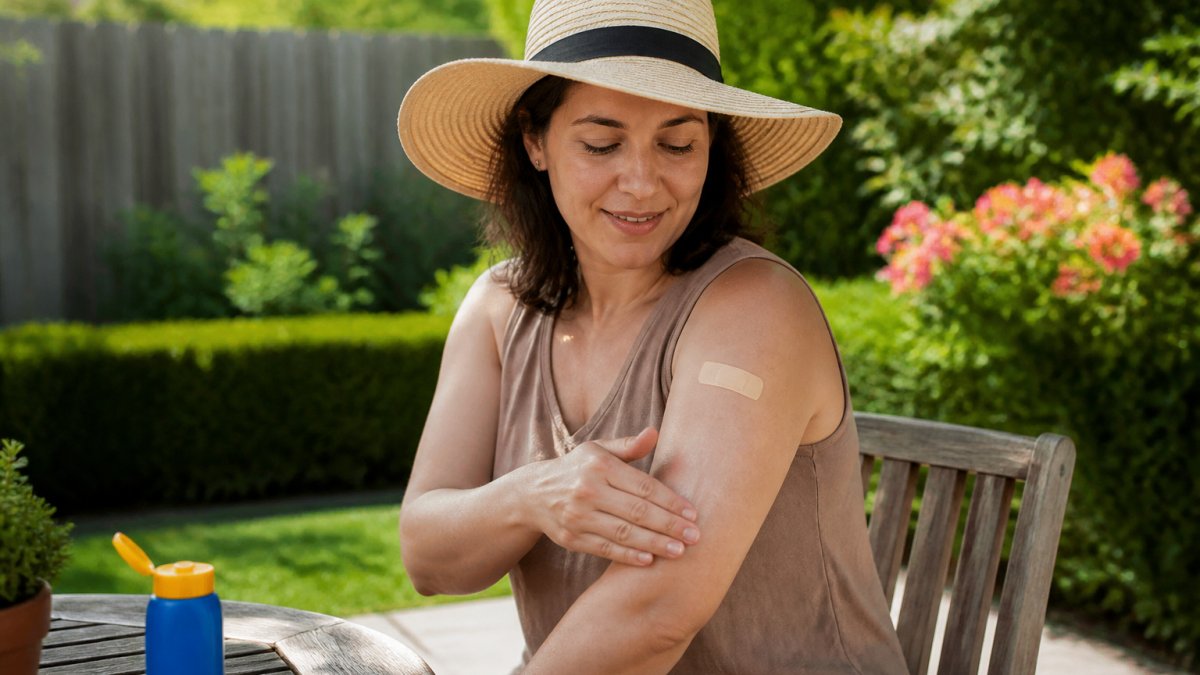
Aftercare is where the season question actually gets settled. Whatever month you choose, the first two to four weeks determine how the site heals, and the following several months determine how the scar matures. Follow your clinician's specific instructions first, they know the procedure, the location, and your history, and use the general framework below to understand what to expect and what to ask about.
The first 24 to 48 hours
- Keep the site covered as directed. Many clinicians send patients home with a bandage or dressing and instructions on when to change it.
- Expect mild soreness, redness, and a small amount of oozing or crusting. These are normal in the first day or two.
- Avoid strenuous exercise, heavy lifting, and anything that pulls at the site for the period your clinician specifies, often a few days for a simple removal, longer for an excision with stitches.
Days 2 through 14: wound care basics
- Keep it clean. Gently wash with mild soap and water as directed, then pat dry. Avoid scrubbing, alcohol, hydrogen peroxide, and harsh antiseptics unless your clinician recommends them.
- Keep it moist. A thin layer of petroleum jelly or a clinician-recommended ointment supports healing and reduces scarring. "Let it dry out" is outdated advice for most removal sites.
- Cover it if instructed. Some clinicians prefer a covered, moist environment for the first week or two; others allow it to be open after a few days. Follow your own instructions.
Weeks 2 through 12 and beyond: scar care and sun protection
Once the surface has closed, the site enters a remodeling phase that can last several months. This is when sun protection matters most for the final appearance of the scar.
- Apply broad-spectrum sunscreen with an SPF of 30 or higher to the site every day, and reapply with sun exposure.
- Use a hat, clothing, or a physical barrier (such as a bandage or silicone strip) over the site when outdoors for extended periods.
- Keep the area moisturized. Once fully healed, silicone gel or silicone sheeting is commonly recommended to help scars flatten and fade; ask your clinician whether it is appropriate for your site.
Warning signs that need a call
Contact your clinician promptly if you notice:
- Increasing redness, warmth, swelling, or pain after the first few days
- Pus, a foul odor, or streaking redness spreading from the site
- Fever
Tying aftercare back to timing
If you scheduled removal for fall or winter, use the lower-UV months to build the sun-protection habit that will carry you through the following summer. If you scheduled in spring or summer, plan for more deliberate coverage, hats, clothing, and consistent sunscreen, and consider asking your clinician whether a physical barrier over the site is appropriate during outdoor activities.
Whatever month you choose, the first few weeks and the months that follow shape how the site heals and how visible the scar becomes.
| Timeframe | What to do | Why it matters |
|---|---|---|
| First 24 to 48 hours | Keep the site covered as directed | Protects the fresh wound |
| First 24 to 48 hours | Avoid strenuous exercise and picking | Prevents a wider or darker scar |
| Days 2 to 14 | Wash gently and keep the site moist | Supports healing and reduces scarring |
| Days 2 to 14 | No swimming or soaking until fully closed | Lowers infection risk |
| Weeks 2 to 12 and beyond | Apply broad-spectrum sunscreen, SPF 30 or higher | Limits post-healing darkening |
| Weeks 2 to 12 and beyond | Use hats, clothing or physical barriers outdoors | Reduces UV exposure during remodeling |
| Any time | Contact your clinician for redness, pus, fever or bleeding | Catches signs of infection early |
When to See a Dermatologist About a Mole Before Scheduling Removal
Book a dermatologist visit before you schedule any removal, especially if the mole is new, changing, or hard to judge yourself.
Many people ask whether they can skip the visit and go straight to a removal appointment.
Frequently Asked Questions
Should I wait for a better season if my mole looks unusual? No.
For pest and wildlife concerns at your property, contact Ekoterra Gopher Pest and Wildlife Control.
Frequently Asked Questions
When is the best time of year to remove a mole?
Many dermatologists prefer fall and winter because sun exposure is lower, which reduces the risk of darkening or irritation while the treated skin heals. Early spring also works well for many people. The best timing still depends on your schedule, your skin type and the mole itself. A mole that looks changing, bleeding or irregular should be evaluated promptly rather than held until a particular season.
How long does mole removal take to heal?
Most small mole removals heal within about two to four weeks, though deeper or larger wounds can take longer. Some redness and tenderness are normal during the first week. Keeping the area clean, covered and protected from sun exposure supports smoother healing. Call your provider if you notice increasing pain, pus, spreading redness or bleeding that does not stop.
Should I avoid sun exposure after mole removal?
Yes. New skin is more sensitive to ultraviolet light and can darken or scar more visibly if exposed too soon. Keep the site covered or apply a broad-spectrum sunscreen with at least SPF 30 once the wound has closed, and wear protective clothing for several months. Your provider can tell you how long to protect the area based on the procedure you had.
When should a mole be checked by a doctor before removal?
See a dermatologist if a mole is changing in size, shape or color, has irregular borders, looks different from your other moles, itches, bleeds or becomes crusted. These are signs that the mole may need a biopsy and pathology testing. Anyone with a personal or family history of melanoma should also have regular skin checks. A professional evaluation helps determine whether removal is medically necessary or simply a cosmetic choice.
