Last Updated: October 30, 2026
Quick Summary
Green pest control for bed bugs targets the insect's biology instead of relying on broad chemical sprays, using methods such as heat, desiccant dusts, and careful monitoring. These approaches work because bed bugs die when their environment gets hot enough, dry out when fine dust coats their bodies, and hide in predictable places that make them findable.
- Adults are about the size of an apple seed, and bites alone do not confirm bed bugs.
- Heat treatment kills every life stage including eggs but must reach the whole area evenly.
- Diatomaceous earth and amorphous silica gel take days and do not kill eggs.
- Steam kills bugs and eggs on contact but missed seams can harbor survivors.
- Wash bedding in hot water and dry on high heat, then seal and dispose of the vacuum bag outside.
Table of Contents
- Why Green Pest Control for Bed Bugs Works
- A Step-by-Step DIY Inspection and Treatment Guide
- Comparing Green Treatment Methods: Heat, Dusts, and More
- Your Bed Bug Treatment Preparation Checklist
- How Long Does Bed Bug Treatment Take?
- Integrated Pest Management for Bed Bugs
- Safety for People, Pets, and the Home
- Preventing Reinfestation After Treatment
- Frequently Asked Questions
Why Green Pest Control for Bed Bugs Works
Bed bugs are one of the hardest household pests to eliminate, and many homeowners assume harsh chemicals are the only answer. Green pest control for bed bugs challenges that assumption. Green methods for bed bugs target the insect's biology rather than relying on broad chemical sprays.
The approach works because bed bugs are vulnerable to things other than poison. They die when their environment gets hot enough. They dry out when fine dust coats their bodies. They hide in predictable places, which makes them findable.
Identifying Bed Bugs and Signs of Infestation
Bed bugs are small, flat, reddish-brown insects that feed on blood, usually at night (the CDC). Adults are about the size of an apple seed (the EPA). Before feeding they are flat and oval; after a meal they look rounder and darker.
You will rarely see a live bug first. The signs come before the insects do:
- Small rusty spots on sheets or mattress seams
- Tiny dark dots, which are droppings, near bed frames
- Shed skins that look like translucent shells
- Clusters of white eggs tucked into cracks
- A sweet, musty smell in heavy infestations
- Bites in lines or clusters on exposed skin
A common mistake is assuming bites alone confirm bed bugs. They don't. Many skin reactions look alike, so always look for physical evidence on the mattress and frame.
Bed Bugs vs. Similar Pests
Several pests get mistaken for bed bugs, and the mix-up wastes time and money. Here is how to tell them apart:
- Bat bugs look nearly identical but have longer hairs. Check attics and eaves for bats.
- Carpet beetles are smaller and mottled, and they do not bite.
- Fleas jump and target pets, leaving bites around ankles.
- Spider beetles are rounder and slow-moving, with no bite.
- Ticks are eight-legged and attach firmly to skin.
If you are unsure, catch a sample in a clear container and have it identified. Misidentifying the pest means the treatment plan will miss its target.
A Step-by-Step DIY Inspection and Treatment Guide
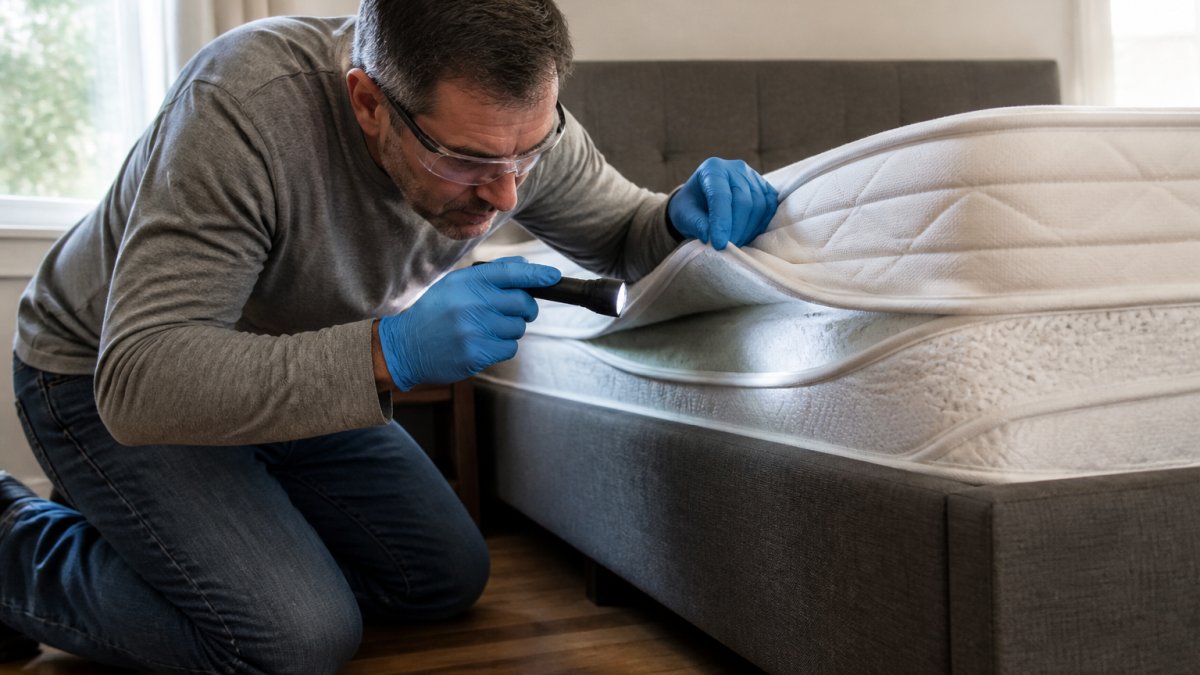
A thorough inspection is the foundation of any bed bug plan. You cannot treat what you have not found. Set aside an hour, grab a flashlight and gloves, and work methodically.
- Strip the bed. Remove sheets, blankets, and pillowcases. Bag them without shaking.
- Check the mattress seams. Run your flashlight along every seam, tuft, and label.
- Flip the mattress and box spring. Inspect the underside and the frame joints.
- Look behind the headboard. This is a favorite hiding spot. Remove it if you can.
- Inspect nearby furniture. Check nightstands, dressers, and the gaps between them.
- Check baseboards and outlets. Bed bugs tuck into tiny cracks along walls.
- Repeat in every bedroom. Bed bugs spread, so one room is never the full story.
After inspection, wash bedding in hot water and dry on high heat. Vacuum thoroughly, then seal the vacuum bag and dispose of it outside.
Watch out: Do not move items to other rooms before they are checked. That is how a single-room problem becomes a whole-house infestation.
Comparing Green Treatment Methods: Heat, Dusts, and More
No single green method handles every situation, and the marketing around "eco-friendly" bed bug control often blurs real differences in speed, reach, and reliability. For evidence on how well natural sprays and treatments actually perform, see whether natural pest sprays are effective. The table below compares the main options on the factors that actually decide whether an infestation is cleared: whether the method kills eggs, how deep it reaches, how fast it works, and where it falls short.
| Method | Kills Eggs? | Reach | Speed | Best Use | Main Limitation |
|---|---|---|---|---|---|
| Heat treatment | Yes, at sustained target temperatures | Whole room, including furniture interiors | Hours | Whole-room or whole-unit infestations | Requires professional equipment and even distribution |
| Steam | Yes, on contact | Surface and seam level | Immediate where applied | Mattresses, box springs, upholstered furniture, seams | Missed spots survive; slow on large areas |
| Diatomaceous earth | No | Cracks, baseboards, edges, voids | Days | Residual barrier in harborage zones | Fails if wet or applied in piles |
| Amorphous silica gel | No | Cracks, voids, crevices | Days | Hidden voids and electrical/structural gaps | Light application only; dust irritation risk |
| Vacuuming | No | Visible surfaces and debris | Immediate reduction | Pre-treatment cleanup and bite reduction | Does not eliminate hidden populations |
| Mattress encasements | No | Mattresses and box springs | Ongoing | Containment and prevention | Not a stand-alone cure |
Heat Treatment for Bed Bugs
Heat treatment raises the temperature of a room or item high enough to kill every life stage, including eggs. It is one of the few methods that reaches bugs hiding deep in furniture and wall voids. Professionals use controlled heaters and monitor temperature throughout the space so the target temperature is sustained long enough to be lethal, not just reached briefly. The advantages are speed and no chemical residue.
Diatomaceous Earth and Amorphous Silica Gel
Diatomaceous earth and amorphous silica gel are desiccant dusts. Both work by damaging the insect's waxy outer layer so it loses moisture and dies. Diatomaceous earth is a powder made from fossilized algae; amorphous silica gel is a synthetic powder with a similar drying effect. These dusts are slow, taking days rather than hours, and they do not kill eggs. Apply them in thin layers along baseboards, in cracks, and around bed frames.
Steam and Vacuuming
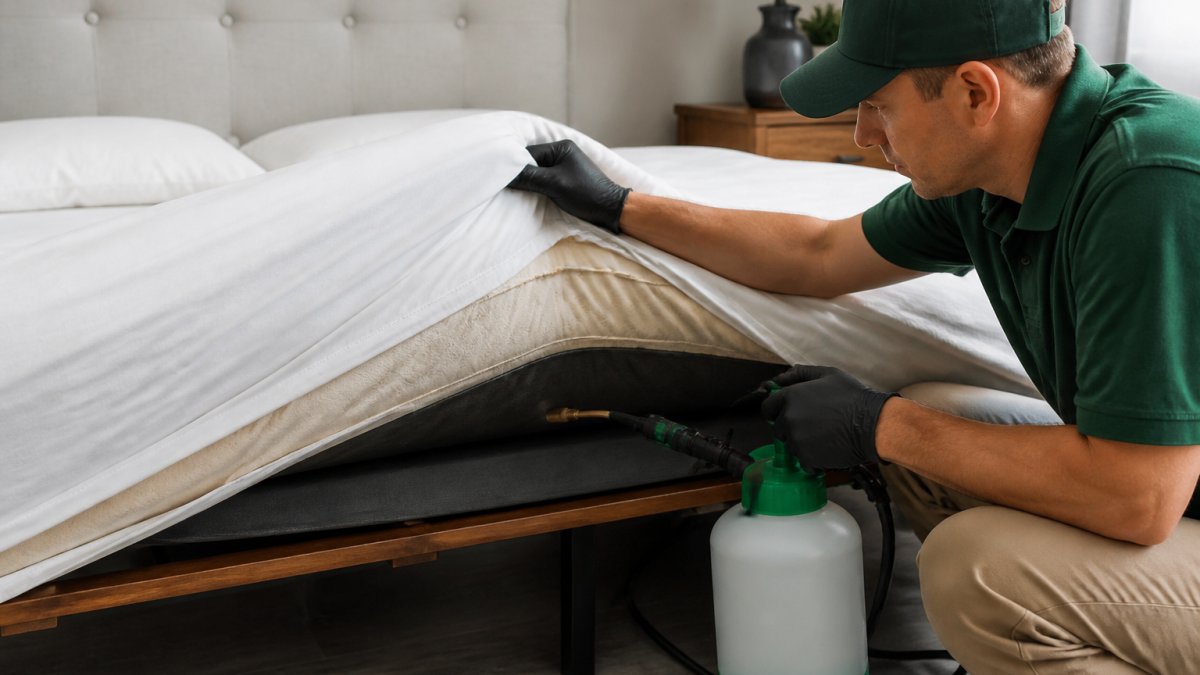
Steam kills bugs and eggs on contact and is especially useful on mattresses, box springs, and upholstered furniture where dusts are impractical. Its weakness is coverage: any seam or fold missed during application can harbor survivors. Vacuuming does not eliminate an infestation, but it removes visible bugs, eggs, and debris before treatment and reduces bite exposure during the process. Seal and dispose of vacuum bags outside immediately after use.
Encasements
Mattress and box spring encasements trap existing bugs inside and keep new ones from establishing. They are a containment and prevention tool, not a stand-alone cure, and they work best when installed after the mattress has been treated or replaced.
Your Bed Bug Treatment Preparation Checklist
Preparation decides whether a treatment works. Bugs hide in clutter, and clutter blocks access. Before any professional or DIY treatment, work through this list:
- Wash and dry all bedding on high heat
- Bag infested items in sealed plastic
- Declutter floors, closets, and under the bed
- Vacuum carpets, furniture, and baseboards
- Empty and clean nightstands and dressers
- Pull furniture slightly away from walls
- Remove pets and people during treatment
- Plan to stay elsewhere if heat is used
- Confirm follow-up timing with your provider
If you plan to hire help, it pays to check pest control certification before anyone steps inside. A certified technician follows label directions and knows where to look.
How Long Does Bed Bug Treatment Take?
Bed bug treatment timelines depend on the method and the severity of the infestation, and eggs hatching after a first pass can extend the process. Monitoring usually continues after the last treatment.
A typical monitoring schedule after treatment includes the following checks:
- Days 1-3 after treatment: Expect to see some live bugs; this is not necessarily failure. Note where you find them.
- Days 7-14: Inspect seams, frames, and harborage zones. Fewer live bugs and no new bites is a good sign.
- Weeks 2-4: Follow-up treatment catches newly hatched eggs. Interceptors under bed legs help confirm activity.
- Weeks 4-8: Continue periodic checks. Catching a stray bug early prevents a second full cycle.
Bed bug interceptors, placed under bed legs, are a common verification tool that traps bugs moving to and from the bed. Keep them in place for several weeks after the last treatment.
The timeline also depends on how prepared the home is. A cluttered room takes longer to treat and inspect.
Integrated Pest Management for Bed Bugs
Integrated pest management for bed bugs combines several low-risk methods instead of relying on one. The idea is simple: inspect first, treat precisely, and monitor afterward. This approach reduces chemical use and lowers the chance of resistance.
The core steps are:
- Identify the pest correctly
- Inspect to find every harborage
- Apply the least risky effective method first
- Combine methods for stubborn spots
- Monitor and recheck after treatment
Safety for People, Pets, and the Home
Safety is a common reason families consider green methods. Readers who want safe, eco-friendly treatment can explore Ekoterra Gopher Pest & Wildlife Control to protect what matters most.
Heat treatment carries its own risks. Rooms get very hot, and that can harm pets, plants, and some electronics. Anyone with health concerns should leave during treatment and return once the space has cooled.
Always read the product label and follow it exactly. The label is the law for how a product may be used (the EPA).
Preventing Reinfestation After Treatment
Preventing reinfestation after treatment is where many plans quietly fail. Bed bugs travel on luggage, used furniture, and clothing. One reintroduction undoes weeks of work.
Habits that help:
- Inspect hotel rooms before unpacking
- Keep luggage off beds and floors when traveling
- Check secondhand furniture before bringing it home
- Wash travel clothes on high heat
- Keep mattress encasements in place
- Schedule periodic checks after treatment
For current pricing, visit the Ekoterra website or request a quote, since pricing depends on the size and severity of the job. And if you are comparing natural sprays against professional methods, read up on whether natural pest sprays are effective before you buy.
Frequently Asked Questions
Can bed bugs be controlled with green products?
Yes. Green approaches to bed bugs include heat, desiccant dusts such as diatomaceous earth and amorphous silica gel, and integrated pest management practices. A thorough inspection and repeat treatments are important because eggs and hidden bugs can survive single-pass efforts. A professional technician can help determine which green methods suit an infestation level.
How long does bed bug treatment take to work?
Bed bug treatment timelines depend on the method and the severity of the infestation, and eggs hatching after a first pass can extend the process. Expect the full process, including preparation and follow-up inspections, to span several weeks before you can confirm elimination.
Are diatomaceous earth products safe to use for bed bugs?
Diatomaceous earth and amorphous silica gel are desiccant dusts used against bed bugs. Follow the product label exactly. Avoid breathing the dust during application, keep pets and children away from treated areas until settled, and never apply over wet surfaces.
How can I prepare my home for a bed bug treatment?
A bed bug treatment preparation checklist typically includes washing and drying all bedding and clothing on high heat, bagging items you cannot wash, decluttering floors and closets, vacuuming thoroughly and disposing of the bag, and moving furniture away from walls. Remove pets and people during application as directed. Preparation directly affects treatment effectiveness, so complete every step before your technician arrives and ask for the provider's written checklist in advance.
Bed bugs test patience, but a careful green plan beats guesswork. If you would rather hand the problem to a team that inspects first and treats with your family's safety in mind, we can help. Ekoterra Gopher Pest and Wildlife Control offers eco-friendly pest control solutions, environmentally conscious services, and guaranteed results across your property. Get started with Ekoterra Gopher Pest and Wildlife Control and get your home back to a pest-free state.
