Table of Contents
- What Determines Mole Control Cost for a Yard
- Professional Mole Removal Services and Pricing
- Mole Trapping Cost and Effectiveness
- Mole Exterminator Cost: Service Models and Guarantees
- DIY Mole Control Cost and Realistic Trade-Offs
- Mole Removal Guarantee: What Protection Looks Like
- Professional Versus DIY: Cost and Outcome Comparison
- Frequently Asked Questions
Last Updated: October 10, 2026
What Determines Mole Control Cost for a Yard
The cost of mole control varies dramatically depending on your specific situation. Property size, mole activity level, and treatment method all play major roles in what you'll actually pay. Understanding these factors helps you evaluate quotes and decide whether professional service or DIY makes financial sense.
Homeowners often underestimate how much their yard's condition affects pricing. A small suburban lot with light mole activity costs far less to treat than a large property with extensive tunneling and multiple active mole colonies. The treatment method you choose, trapping, baiting, or ongoing service contracts, also dramatically shifts the final bill.
Property size and mole activity level
Larger properties naturally cost more to treat because they require more materials, more time, and more service visits. A quarter-acre yard with a few surface tunnels is fundamentally different from a two-acre property with extensive mole runs and visible damage across the lawn.
Mole activity level determines urgency and intensity. Light activity might require a single visit or a few traps. Moderate to heavy activity, where you see new tunnels appearing weekly and lawn damage spreading, typically requires multiple treatment applications or ongoing monitoring. Professional services assess activity by looking at tunnel density, fresh mounding, and damage patterns to estimate how many moles are present and how active they are.
Treatment method and service scope
The approach you choose shapes the entire cost structure. A one-time trapping service costs less upfront than a monthly baiting program. A guaranteed removal contract with follow-up visits costs more than a basic treatment, but you're paying for results and peace of mind.
Some service providers charge a flat fee per property visit. Others charge per mole caught or per acre treated. Annual contracts spread costs across 12 months but lock you into ongoing service. Each model has trade-offs between initial expense and long-term commitment.
Professional Mole Removal Services and Pricing
Professional mole control services handle the work for you, eliminating the guesswork and physical labor. Understanding how estimates work and what's included in a treatment plan helps you compare providers fairly.
How service estimates work
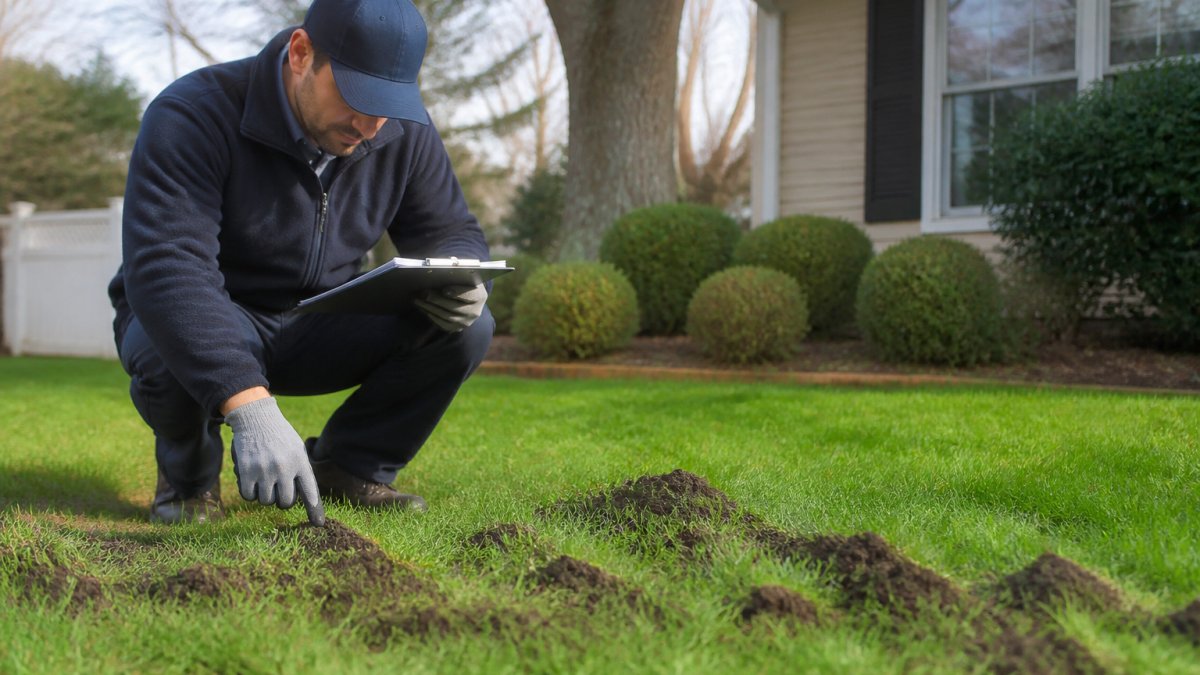
A professional estimate starts with an on-site inspection. The service provider walks your property, identifies active mole tunnels, assesses lawn damage, and estimates the number of moles present. They'll ask about your property's history, how long you've had the problem, what you've already tried, and what outcome you want.
Estimates vary based on property size, mole activity, and your service area. Rural properties with large acreage typically quote higher than small suburban lots. Properties with severe damage or multiple active mole colonies cost more than those with light activity. Some providers give a flat estimate; others provide a range depending on what they find during treatment.
What's included in a treatment plan
A complete treatment plan specifies the method, number of visits, timeline, and what happens if moles return. Professional services typically include initial inspection, trap placement or bait application, follow-up visits to check traps or reapply treatment, and documentation of results.
Guarantees vary widely. Some providers guarantee removal for a set period (30, 60, or 90 days) at no additional cost if moles reappear. Others offer annual contracts where you pay monthly or quarterly for ongoing monitoring and treatment. Ask whether the estimate includes removal of dead moles, tunnel filling, or lawn repair. These services sometimes cost extra.
Mole Trapping Cost and Effectiveness
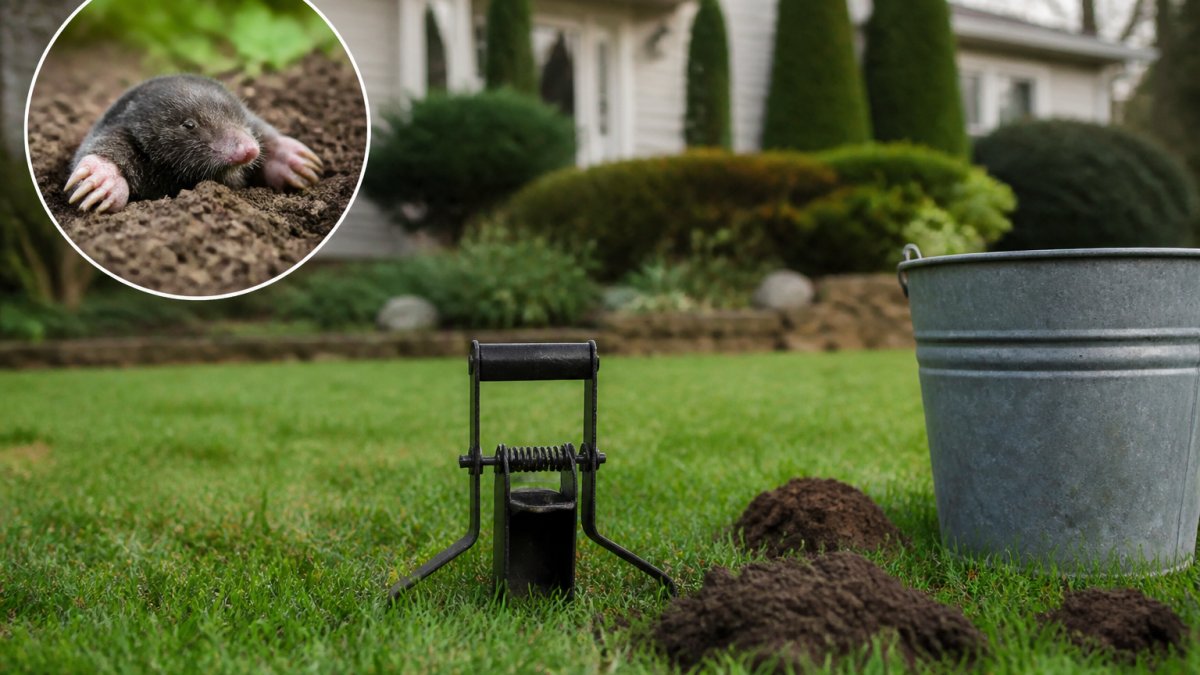
Trapping is a direct, hands-on approach to mole control. A professional places specialized traps in active mole tunnels, checks them regularly, and removes trapped moles. This method works best for properties with a small number of moles or moderate activity.
Trapping costs depend on the number of traps needed, how many service visits are required, and whether the provider guarantees results. A single trap visit might cost less than baiting, but if your property has multiple active moles, you may need several traps and multiple follow-up visits. The real cost emerges over the full treatment cycle, not just the initial placement.
Effectiveness of trapping depends on proper trap placement in active tunnels and regular checking. Traps left unattended for days become ineffective. If you hire a professional, they handle placement and monitoring, increasing success rates. The trade-off is that trapping requires more frequent property visits than baiting, which can add up over time.
Mole Exterminator Cost: Service Models and Guarantees
Professional mole exterminator services use different pricing structures and guarantees. Understanding these models helps you compare apples to apples when reviewing quotes.
Flat fee versus per-mole pricing
A flat fee covers the entire treatment regardless of how many moles you have. This model works well if you know roughly how many moles are present and want predictable costs. The downside: if your property turns out to have more moles than estimated, you've already paid the flat rate.
Per-mole pricing charges based on the number of moles caught or treated. This aligns cost with results, you pay more if the problem is worse. However, per-mole pricing can create uncertainty. A provider might estimate five moles but find eight, increasing your final bill beyond the initial quote.
Annual contracts and follow-up visits
Annual service contracts spread costs across the year and provide ongoing monitoring. You pay monthly or quarterly, and the service provider visits regularly to check traps, reapply bait, or monitor for new activity. This model works well for properties prone to reinfestation or those where moles are a recurring seasonal problem.
Follow-up visits are crucial. A single treatment rarely eliminates all moles permanently. Most properties need at least one follow-up visit within 30 days to catch moles that weren't present during the initial treatment or that migrated in from neighboring properties. Guarantees often include a set number of follow-up visits at no extra charge.
DIY Mole Control Cost and Realistic Trade-Offs
DIY mole control costs less upfront but requires your time, effort, and realistic expectations about results. Before choosing this route, understand what you're actually committing to, and when the math favors professional service instead.
Actual material costs for DIY approaches.
Trapping: A single reusable mole trap costs $15-$40 at hardware stores or online retailers. Most homeowners need 2-4 traps to cover a small to moderate property. Trap total: $30-$160.
Baiting: Mole bait products (typically pellets or worm-shaped baits) cost $10-$30 per box at garden centers or online. A small property might need 1-2 boxes; a larger property with moderate activity could require 3-5 boxes over a season.
Castor oil or other deterrents: These are cheaper ($15-$40 per application) but have mixed effectiveness and require repeated applications. Total: $30-$100+ over a season.
Time investment and hidden costs. This is where DIY becomes expensive in ways that don't show up on a receipt.
- Daily trap checking: Traps must be checked every 24 hours to be effective. A trapped mole left in a trap for 2+ days may escape or die, wasting the effort. Over 4-6 weeks of treatment, that's 28-42 inspection trips to your yard, each taking 15-30 minutes. Total time: 7-21 hours.
- Bait reapplication: Baiting requires consistent reapplication every 7-14 days for at least 4-8 weeks. Each application takes 20-45 minutes depending on property size. Total time: 3-6 hours over the season.
- Learning curve: Your first attempt often fails because traps are placed in inactive tunnels or bait is applied incorrectly. Troubleshooting and a second attempt add another 5-10 hours.
- Dead mole handling: If you successfully trap a mole, you must remove and dispose of it. Many homeowners find this unpleasant and time-consuming.
Realistic success rates and repeat costs. DIY control succeeds only if you execute it correctly and consistently.
- Light activity (1-2 moles, few visible tunnels): DIY trapping has a 60-75% success rate if traps are placed in truly active tunnels and checked daily. Baiting has a 40-60% success rate because application and timing are harder to get right.
- Moderate activity (3-5 moles, multiple tunnel systems): DIY success drops to 30-50% because multiple moles require coordinated trapping or baiting, and new moles may migrate in from neighboring properties. Many homeowners give up after 3-4 weeks and hire a professional.
- Heavy activity (6+ moles, extensive tunneling, visible lawn damage): DIY is rarely successful. You'll likely spend $100-$300 on materials and 20-40 hours of effort, then hire a professional anyway.
When DIY makes financial sense. DIY is worthwhile only if:
- Your property is small (under 0.5 acres) with light mole activity (1-2 visible moles, few new tunnels per week).
- You have time to check traps daily or apply bait weekly without fail.
- You're comfortable handling dead moles.
- You can tolerate a 4-8 week treatment window and are willing to repeat the process if it doesn't work the first time.
- You're willing to accept a 50-60% success rate and the possibility of spending $200-$400 on materials plus 15-25 hours of labor only to end up hiring a professional.
Mole Removal Guarantee: What Protection Looks Like
A solid guarantee protects you if moles return after treatment. Not all providers offer the same protection, so clarify what's included before you commit.
Basic guarantees cover reinfestation within a set period, typically 30, 60, or 90 days. If moles reappear during this window, the provider returns and retreats at no charge. Some guarantees are limited: they cover only the original treatment area or only if no new moles migrated in from adjacent properties.
Annual service contracts often include the strongest guarantees. You pay monthly or quarterly, and the provider commits to ongoing control. If moles appear, they treat them as part of the contract.
Read guarantee fine print carefully. Some providers exclude damage caused by new moles migrating from neighboring yards. Others don't cover seasonal reinfestation if you live in an area with seasonal mole activity. Ask whether the guarantee applies if you've made changes to your yard (new irrigation, landscaping, etc.) that might attract moles.
Professional Versus DIY: Cost and Outcome Comparison
Choosing between professional and DIY control comes down to total cost, time, and your tolerance for risk.
Professional service costs more upfront but delivers results. You pay for expertise, equipment, and labor. A professional knows where to place traps, how to apply bait correctly, and what to do if the initial treatment doesn't work.
DIY control costs less initially but carries hidden risks. You might spend money on materials that don't work. You'll invest significant time checking traps, reapplying bait, and monitoring results.
For small properties with light mole activity, DIY can make sense if you have time and patience.
The real comparison isn't just price, it's price plus time plus likelihood of success.
Mole damage to your yard compounds over time. Contact us for a service estimate and learn how our proven methods protect your lawn, your family, and the environment.
Frequently Asked Questions
How much does mole control cost for a yard?
Mole control costs vary widely depending on yard size, mole activity level, and treatment method. Professional mole removal typically ranges from a single service visit to ongoing annual contracts. Pricing depends on quantity of moles, property size, and the service plan you select. Contact Ekoterra for a service estimate tailored to your specific property and mole infestation severity.
What factors affect mole exterminator cost the most?
The primary factors affecting mole exterminator cost include your property size, the extent of mole activity and tunnel damage, treatment method (trapping, bait, or combination), and whether you need a one-time service or ongoing contract. Local availability and the complexity of your landscape also influence pricing. A professional service estimate will assess these factors to provide an accurate quote.
Is professional mole removal more cost-effective than DIY mole control cost?
Professional mole removal can deliver reliable results, though upfront costs are higher. DIY methods require purchasing traps, bait, and tools, plus significant time investment with uncertain success rates. Professional services offer treatment guarantees and follow-up visits, reducing the risk of recurring infestation. For most homeowners, the reliability and peace of mind justify the professional service investment.
What should I expect a mole removal guarantee to cover?
A solid mole removal guarantee typically covers the initial treatment, follow-up visits if moles return within a specified period, and ongoing monitoring under an annual service plan. Guarantees vary by provider, some cover a single season, others extend through the year. Ask your service provider exactly what happens if mole activity resumes after treatment and whether the guarantee includes additional visits at no extra charge.