Last Updated: November 6, 2026
Quick Summary
A mole control visit often does not include a return trip by default, so one visit may not finish the job. Whether follow-up visits are included depends on the provider's package, such as a visit plus one check, a seasonal plan, or year-round monitoring. Ask before booking what the first visit covers and how any return trip is billed.
- Most first visits focus on finding active tunnels and starting trapping or treatment.
- Moles can create new tunnels within days, so one visit may not clear the property.
- Typical first follow-up falls within 7 to 14 days, with a second check around 21 to 30 days.
- Compare packages on total season cost, not just the first-visit price.
- Ask whether the guarantee covers renewed activity and whether it resets after each visit.
Table of Contents
- How Professional Mole Control Works, Step by Step
- Mole Control Service Plans: How Follow-Up Visits Are Packaged
- Mole Control Follow-Up Schedule and What Happens During a Return Visit
- Mole Control Cost and Repeat Visits: What to Expect
- Questions to Ask a Mole Control Company Before Booking
- Booking Your Mole Control Visit With Ekoterra
- Frequently Asked Questions
Homeowners often ask whether a mole control visit includes a return trip, or whether they pay again. Most homeowners in Ventura, Los Angeles, and Santa Barbara Counties assume one visit solves the problem. Often it does not. Knowing what the first visit covers, and what it leaves out, helps you plan a realistic budget.
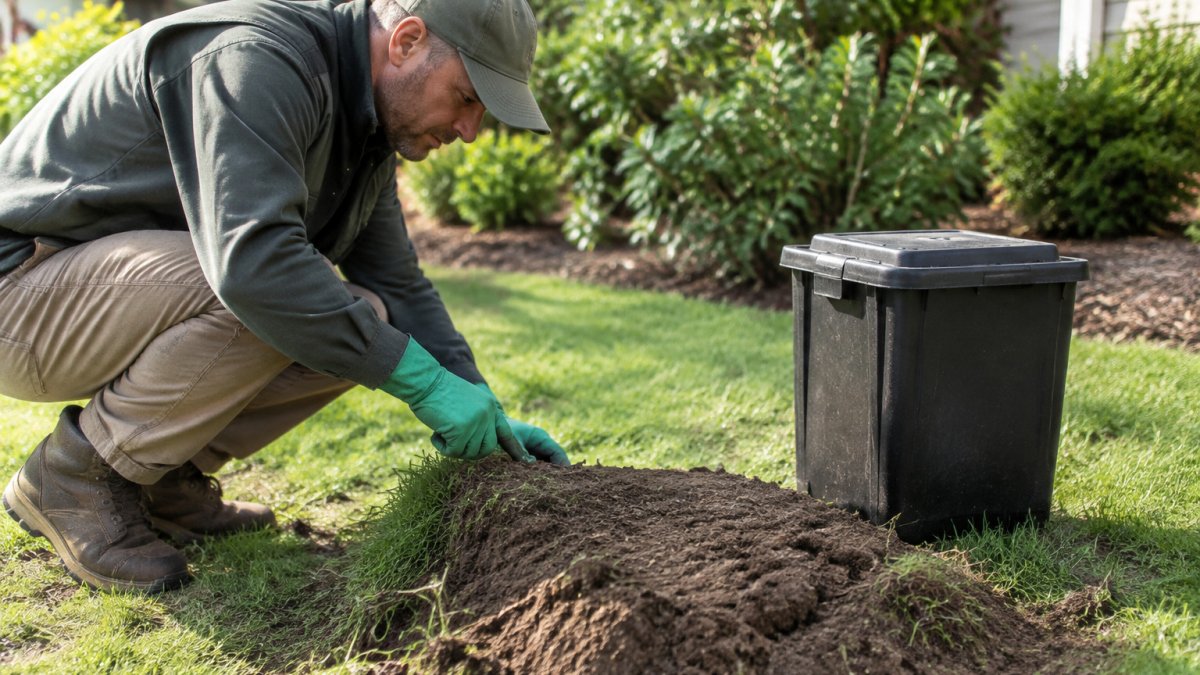
A first visit usually focuses on finding the problem and starting treatment. The technician walks the yard, looks for active tunnels, and checks where the moles are feeding. Then they set traps or apply a treatment. Many homeowners find that this first step takes care of the most obvious activity, but it does not guarantee that the whole property is clear.
A typical first visit often includes:
- A walk-through of the lawn, garden beds, and any problem areas
- Identifying fresh molehills and active tunnel openings
- Placing traps or applying approved treatments at the start
- A short explanation of what to watch for over the next few weeks
- Basic tips on lowering grub populations and other food sources
Watch out: Do not assume the first visit ends the job. Moles move through soil quickly, so new tunnels can appear within days of treatment.
Ask the company before booking what is included in the first visit and what is not. Some providers bundle a follow-up check, while others charge separately. A written estimate that spells out the scope protects you from surprises later.
How Professional Mole Control Works, Step by Step
Professional mole control follows a sequence. Each step builds on the last, and skipping one can make the results weaker. Here is how the process usually goes:
- Inspect the property. The technician maps active tunnels and feeding zones.
- Choose a method. Options include trapping, approved baits, or a combination of both.
- Place traps or treatments. Placement follows the tunnel pattern, not guesswork.
- Monitor activity. The technician checks for new molehills over the following days.
- Adjust and reset. Traps are moved or re-baited if activity continues.
Most of the difficulty is in step five. A mole can stay active for weeks, and a single round of trapping rarely catches every animal.
Mole Control Service Plans: How Follow-Up Visits Are Packaged
Companies package follow-up visits in different ways, and the packaging matters more than the first-visit price. Some sell a single job with no return visit included. Others sell a plan with scheduled checks. Knowing the difference before you book can save money and frustration.
Companies may package follow-up visits in different ways, including:
- One-time service: One visit, with no scheduled follow-up. You call and pay again if activity returns.
- Visit plus check: The initial visit and one follow-up inspection, usually within a set window such as 14 to 30 days.
- Seasonal plan: Scheduled checks across spring and fall, when moles are most active, with a defined number of visits.
- Year-round monitoring: Ongoing visits on a set schedule, often monthly or quarterly, with activity checks between visits.
How the Four Follow-Up Models Actually Differ
A clear comparison helps you match the plan to your yard rather than to a sales pitch.
- Included follow-up visits are built into the price. The company returns at no extra charge within a stated window, but the number of included visits is usually capped, often at one or two. The window may be short, and coverage may exclude re-trapping or new tunnel systems.
- Free-return windows are time-limited. A common pattern is a 14- to 30-day window during which a return trip is free if fresh activity appears. After the window closes, the same trip becomes a paid revisit. Ask what counts as fresh activity and whether the technician or the homeowner makes that call.
- Recurring monitoring plans trade a higher total cost for predictability. You pay for a schedule, not for a result, so the value depends on how often moles actually pressure your property. These plans suit large lots, horse properties, and yards bordering open space where reinfestation is likely.
- Paid revisits keep the upfront price low and bill each return trip. This works for a small lawn with one known problem spot, but the total can climb if the moles keep coming back. Ask whether there is a per-visit cap or a package rate for multiple visits.
Watch out: A "free follow-up" that excludes re-trapping or new tunnel systems is not really a follow-up. Read the scope line, not just the word "free."
The article compares four ways companies package follow-up visits, and each one handles repeat trips differently.
| Plan type | How it works | Key difference |
|---|---|---|
| One-time service | One visit, no scheduled follow-up | You pay again if activity returns |
| Visit plus check | Initial visit plus one follow-up inspection | Follow-up usually within 14 to 30 days |
| Seasonal plan | Scheduled checks across spring and fall | Defined number of visits |
| Year-round monitoring | Ongoing visits, often monthly or quarterly | Ongoing checks between visits |
Mole Control Follow-Up Schedule and What Happens During a Return Visit
A follow-up visit is usually a shorter appointment than the first. Here is what a typical return visit includes:
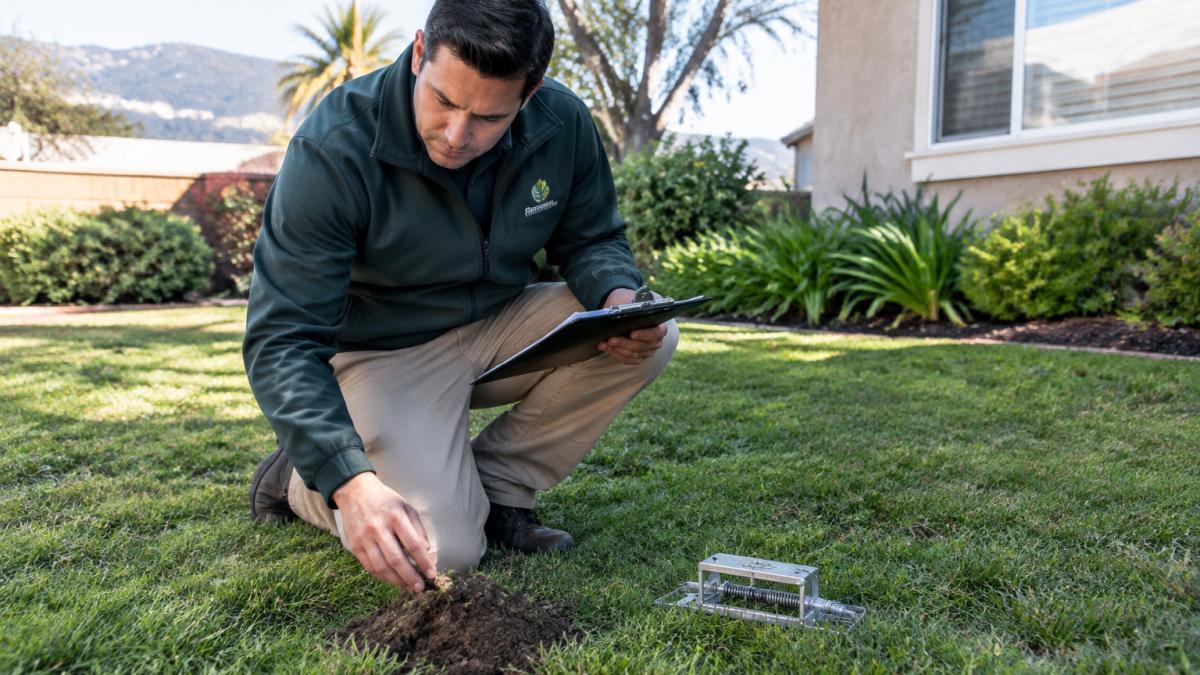
- A check of every trap and bait station set on the first visit
- A walk of the lawn, garden beds, and perimeter to spot fresh activity
- Repositioning of traps where tunnels have shifted or collapsed
- A decision on whether to re-bait, re-set, or schedule another visit
- A short note on whether the treatment is working and what to watch for next
Typical Follow-Up Schedule
Timing matters, and most practitioners follow a similar pattern. A first follow-up usually falls within 7 to 14 days, because that is roughly how long it takes for a mole to encounter a well-placed trap or for new surface activity to show. A second check, if needed, often lands around 21 to 30 days. After that, the schedule depends on activity, treatment method, and provider policy. Large lots, heavy grub populations, and properties bordering open space tend to need more frequent checks than a small suburban lawn.
How the Technician Decides Whether to Retreatment
The decision is not guesswork. A technician typically weighs three things:
- Fresh surface activity. New molehills with soft, damp soil and open tunnel plugs indicate an active mole. Old mounds are dry, crusted, and often weedy.
- Trap status. A sprung or disturbed trap suggests a catch or a near-miss. An untouched trap in an active tunnel may need repositioning rather than replacement.
- Tunnel pattern. If tunnels have shifted toward a new feeding area, the technician moves traps to follow the food source rather than staying on the original line.
If all three point to continued activity, another visit is scheduled. If activity has stopped for two to three weeks, the technician may close the job or move you to a monitoring plan.
How to Tell Whether Treatment Worked Between Visits
You can do useful monitoring yourself between appointments, and the notes you keep help the technician work faster.
- Flatten all visible molehills after each visit and note the date.
- Check every few days for new mounds; fresh soil is the clearest sign of continued activity.
- Watch tunnel openings: if you close them and they stay closed, activity has likely stopped.
- Photograph new damage with a phone and share the images before the next visit.
Watch out: Do not assume a quiet week means the job is done. Moles can go dormant near the surface during dry or cold spells and resume tunneling when conditions improve.
Limits of Follow-Up Guarantees and Reinfestation
Follow-up treatment addresses the moles currently on your property. It cannot prevent new moles from entering from neighboring land, and it does not remove the food sources that attract them. A guarantee that covers "active mole activity" for a set window is a reasonable promise; a guarantee that promises no moles ever again is not. Ask what counts as renewed activity, whether the guarantee resets after each visit, and whether it transfers if you sell the home. Setting realistic expectations up front is the best way to avoid a dispute later.
Mole Control Cost and Repeat Visits: What to Expect
Pricing depends on the size of the yard, how many tunnels there are, the method used, and how many visits the job needs. For current prices, contact Ekoterra Gopher Pest and Wildlife Control for a quote based on your property.
When you compare quotes, look at these factors:
- Whether the first visit includes a follow-up check
- How much a return visit costs if one is needed
- Whether the company offers a guarantee on activity
- The total cost of a full season, not just the first visit
A lower first-visit price can be misleading if extra visits are billed separately. Ask for the total expected cost over a reasonable period.
Questions to Ask a Mole Control Company Before Booking
Asking the right questions up front helps you compare providers fairly. Use this list when you call:
- Does the first visit include a follow-up check?
- How long is the follow-up window, and is it free?
- What does a return visit include, and how is it billed?
- What is your guarantee if moles come back?
- Do you put the service terms in writing?
- What methods do you use, and are they safe for pets and children?
- How quickly can a technician return if activity continues?
Clear answers to these questions reveal how a company handles repeat problems. Vague answers are a warning sign.
Booking Your Mole Control Visit With Ekoterra
If you want a clear answer on follow-up visits for your property, the next step is to book a site visit. Our team at Ekoterra Gopher Pest and Wildlife Control can inspect your yard and help you understand the service options. Learn more about our mole control service and what to expect during a visit.
Ekoterra Gopher Pest and Wildlife Control provides eco-friendly, guaranteed pest and wildlife control for homes and businesses across Ventura, Los Angeles, and Santa Barbara Counties. Contact us to schedule your inspection and get a straight answer about follow-up visits before you commit.
Frequently Asked Questions
Does mole control usually include follow-up visits?
It depends on the provider and the plan you choose. Some companies include one or more return visits in the initial price, while others charge for each additional trip. Many providers build the first treatment around trapping and monitoring, then schedule a check to confirm that new fresh molehills have stopped appearing. Ask for the service terms in writing so you know whether a return visit is part of the quote, how many are included, and whether a guarantee covers reinfestation between visits.
Do mole control companies charge extra for follow-up visits?
Some do and some do not. A company may include a scheduled follow-up in the base service and charge only for extra visits triggered by new activity outside the agreed scope. Others sell a service plan that bundles several visits at a set rate. Get the number of included visits, the charge for additional trips, and any time limits in writing before you book, so the total cost is clear.
How soon should a mole control company return after the first treatment?
Timing varies with the method used and the activity level on your property. A follow-up is commonly scheduled within a few weeks, so the technician can check whether fresh molehills have stopped and whether traps or baits need adjustment. Ask the company to explain its schedule and the conditions that would prompt an earlier or additional visit.
How much does professional mole control cost, including repeat visits?
Pricing depends on the size of the property, the extent of the tunnel system, the method chosen, and whether follow-up visits are included. Pricing depends on the scope of the job and how many visits are needed. Request a written quote from Ekoterra that lists the initial service, included return visits, and the charge for any additional visits before you commit.
